



The cabin hidden away in nature
Texte Annemarie de Jager Photo ICI
A break from traditional hospitality
Between the Ourthe and Lesse valleys, not far from Rochefort and Marche-en-Famenne, an unusual concept has taken shape. It sprang from the imagination of a property developer and an architectural engineer.
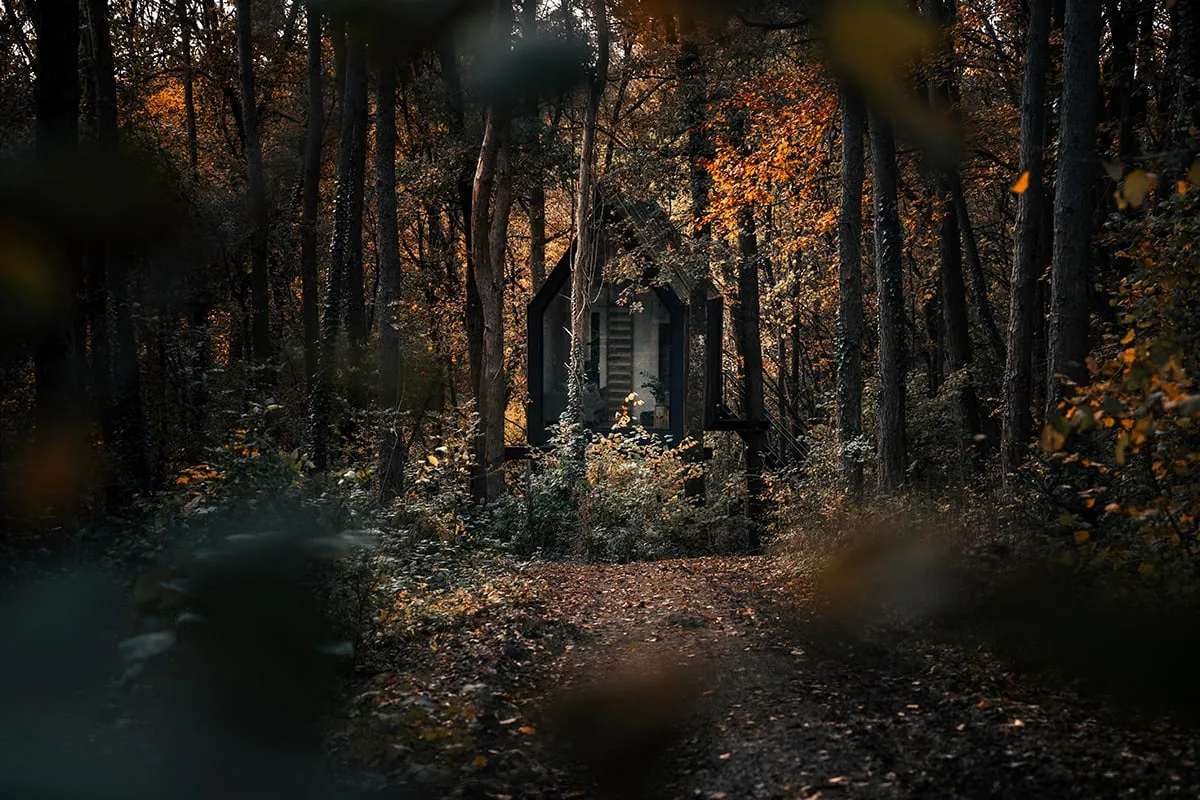
Getting some fresh air, relaxing, escaping the demands and obligations of everyday life: we all dream of it from time to time. We would be ready to fly to the other side of the world to find silence and peace. Yet there is no need to look beyond our borders, as it is possible to rent accommodation for two to six people for a weekend or longer, perched among the trees or set among the pigs on a local farm. The concept, devised and brought to life by property developer Tim Goes (33) and architectural engineer Toon Haverals (41), combines unique architecture with understated design. Both keen to offer their guests accommodation that is original and sustainable, they have created holiday lodgings in the heart of nature with a completely new approach.
“We met a few years ago while working for the same employer and shared the same views on mass-market tourism around the world,” explains Toon Haverals, co-founder of ICI. “We wanted to create something that was the opposite of impersonal hotels in far-flung places. What appeals to us is the small scale, minimalism, enjoying the birdsong and, above all, not feeling obliged to do anything. We thought the idea might appeal to people. That is how we developed ICI.”

Comfort and sustainability
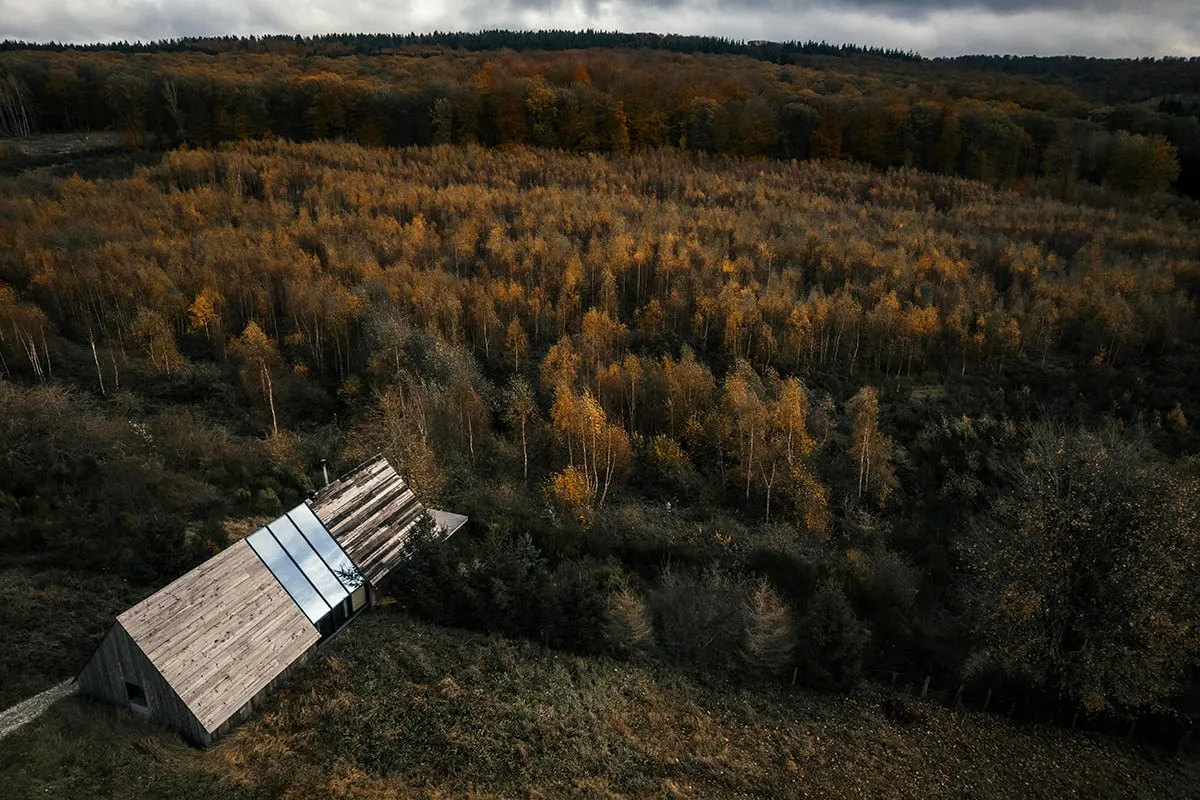
The partnership between the two friends has given rise to units that blend seamlessly into their woodland setting, named “Cube de verre”, “Fermette volante” and “Tour refuge”. While they are equipped with all the comforts guests need, visitors should not expect any unnecessary luxury. The designers are keen to convey a message of sustainability and encourage awareness of how scarce resources are.

“Our accommodation has the essential minimum comforts to make guests feel at home while still being on holiday. We are fully aware of the limits of our resources. Water is heated by electric boilers powered by solar energy. The natural, biodegradable powdered soap we provide helps us avoid plastic containers and single-use packaging. The cabins have a wood-burning stove that can also be used for cooking. The wood is cut locally, in keeping with our approach to sustainable management of the forest where the ICI Dans Les Arbres estate is located.”
“As water is rationed, showers are limited to three minutes per person,” adds Toon, “and we strongly recommend leaving phones and tablets behind. In any case, there is virtually no network coverage. You have to climb onto the roof terrace to get a 4G signal! This encourages guests to let go and disconnect, so they can find calm and peace of mind. It does you the world of good.”
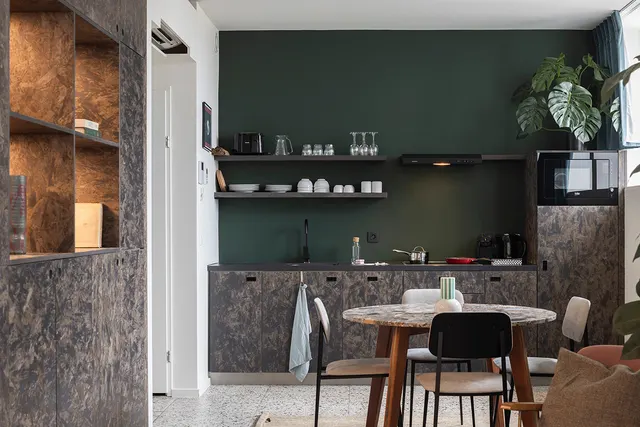
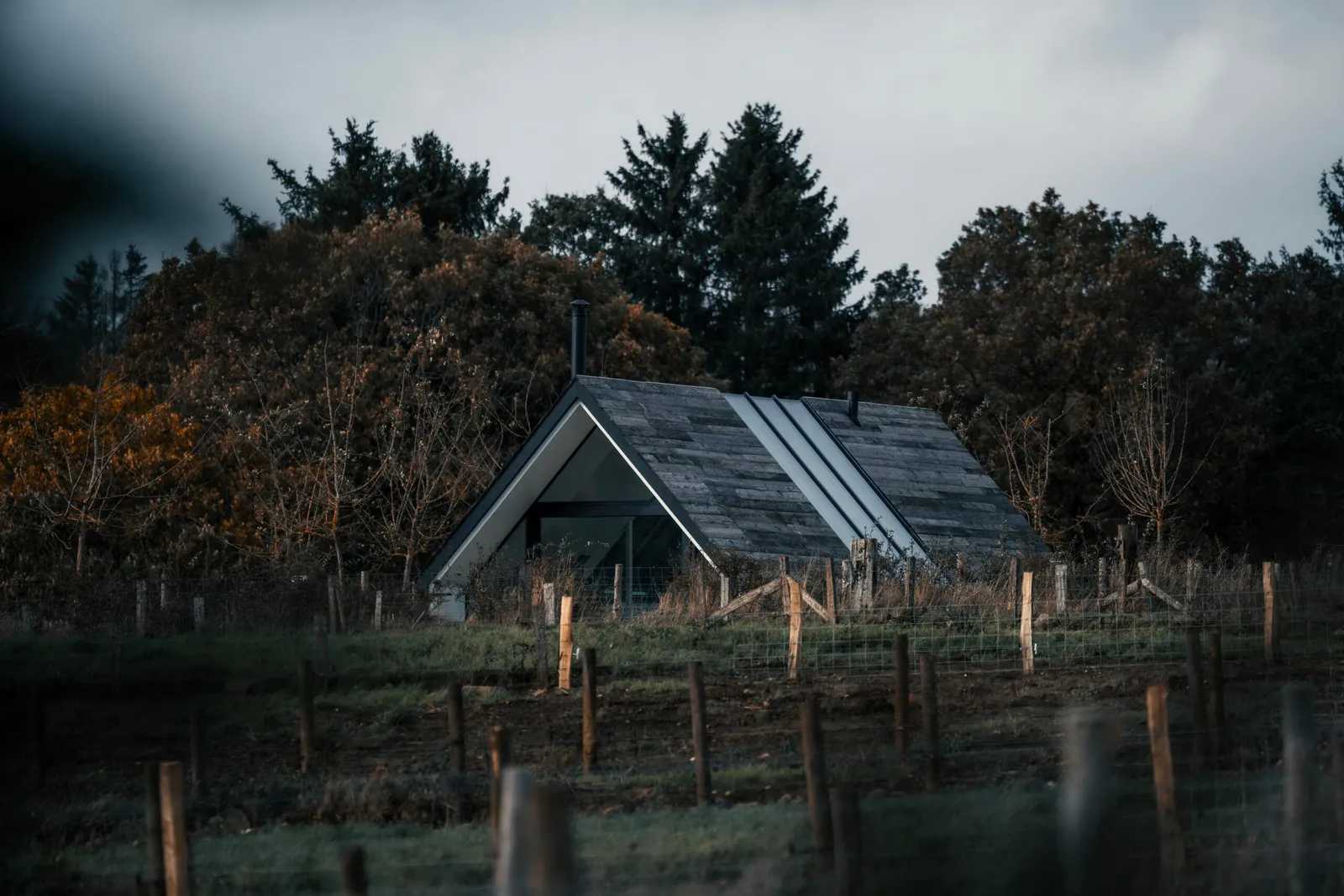
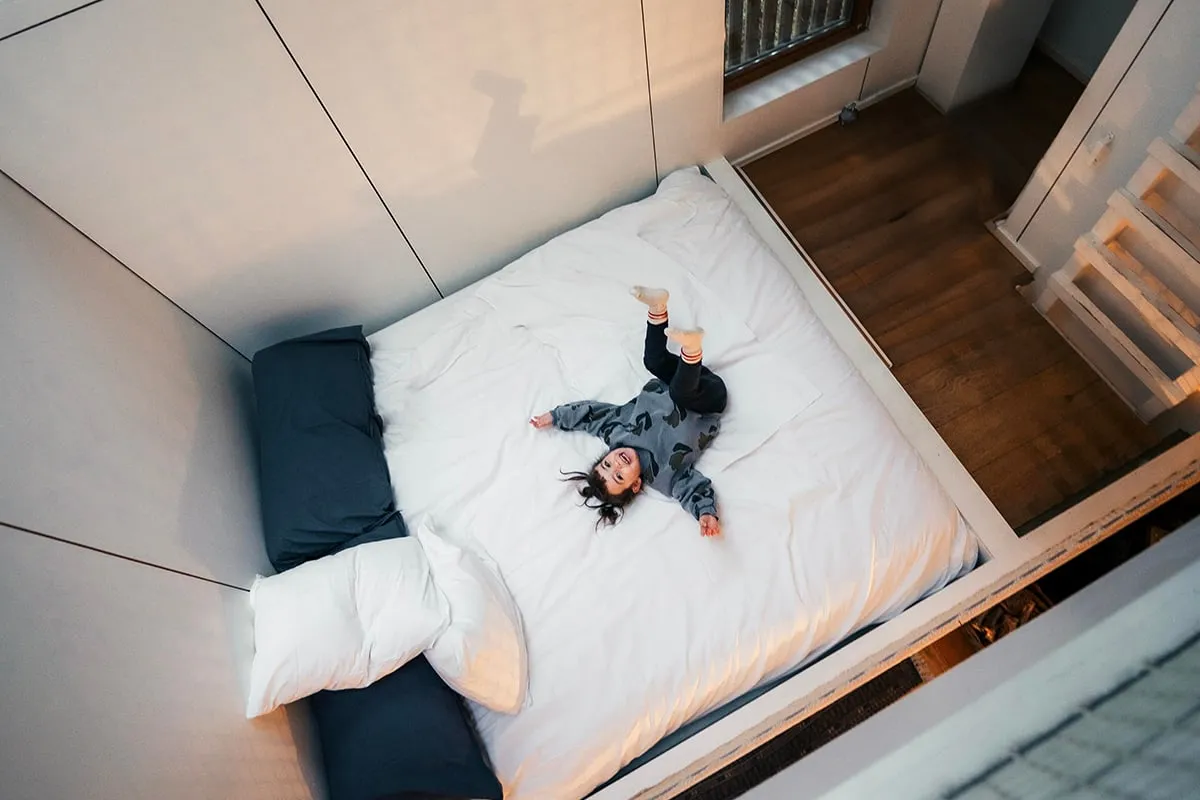
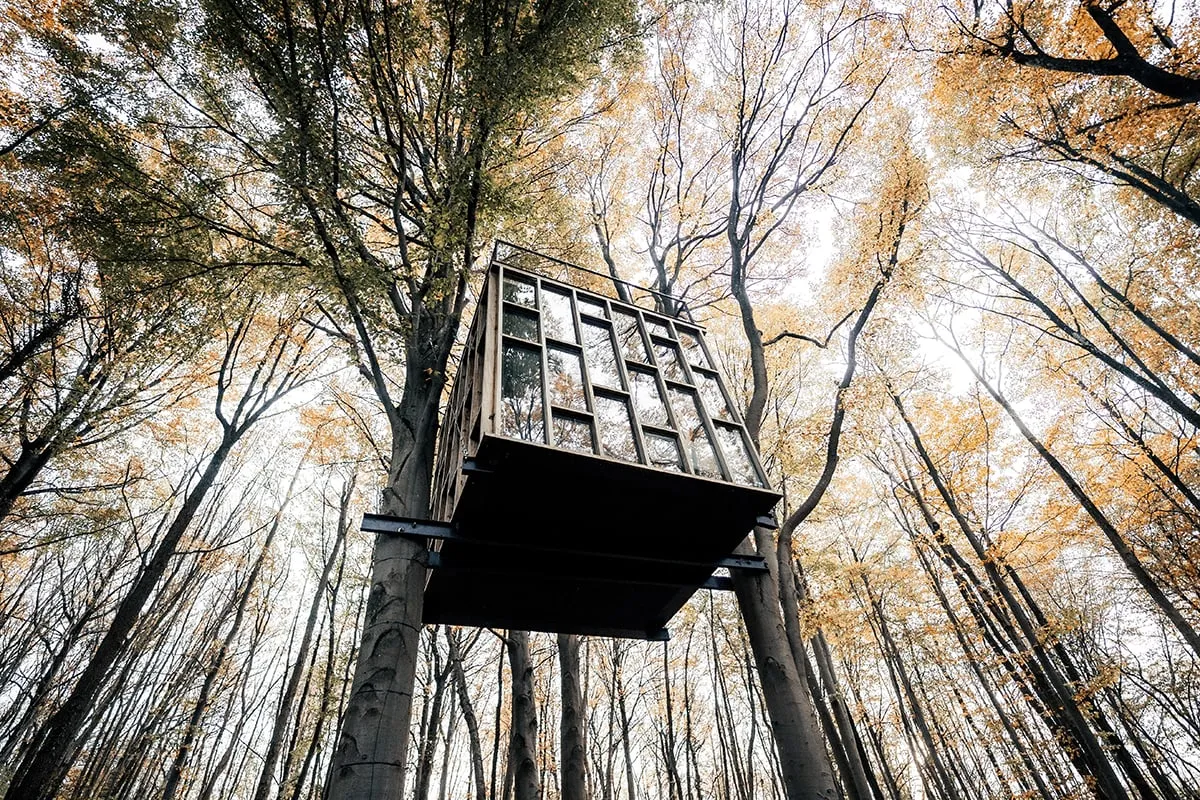
The eco-friendly ICI Dans Les Arbres estate offers three types of accommodation, with two of each. There is the 30 m² “Cube de verre”, tucked among the trees at a height of 4 metres. Guests are in constant contact with nature. It has a kitchenette, a lounge area, a dining area, bathroom facilities, a sleeping area for two on a mezzanine, 360° views and a 15 m² rooftop terrace overlooking the canopy. The second option is the “Fermette volante”, made from recycled wood and suspended 3 metres above the ground, with large picture windows and a 4 m² covered terrace. In the two “Tours”, which stand 8 metres high, the different functions are arranged one above the other. One can accommodate up to 4 people and the other up to 6.
Lost in the forest, almost
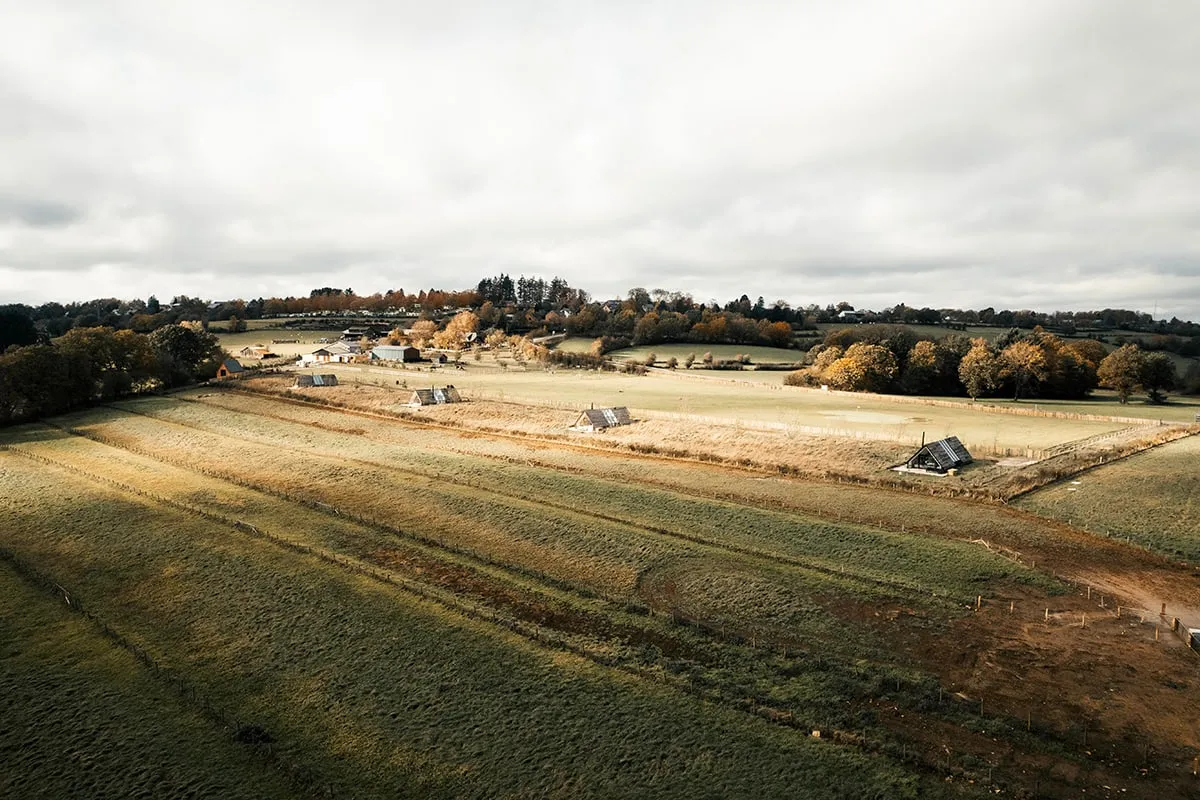
“Our 6 cabins are dotted across an 11-hectare forest on the outskirts of Humain, a picturesque hamlet of 250 inhabitants just a stone’s throw from Marche-en-Famenne. This is the Ourthe and Lesse region, as well as the Famenne, with its many villages steeped in history, including Durbuy, Hotton, Rochefort and Nassogne,” explains Toon.
Another 15 kilometres away, in Nassogne, ICI A La Ferme offers 6 more chalets, this time at ground level. They are located on the land of a pig farmer, with whom a partnership has been established. These chalets are mobile, like static caravans.
“We hope to expand our offering, not by multiplying the different units, but by adding ICI Sur l’Eau in Beaumont. If all goes well, we will be able to offer houseboats next summer. Guests will need to take a rowing boat to reach them. As you can see, adventure can be just a few strokes away!”
Question about this story? Ask your question
Keep following this
Get an email when a new story is published. No account needed.
- SubjectNews