



Robotic vacuum cleaners in hotels: raising service standards with smart technology
Texte Josefien De Bock- Photos Group-f
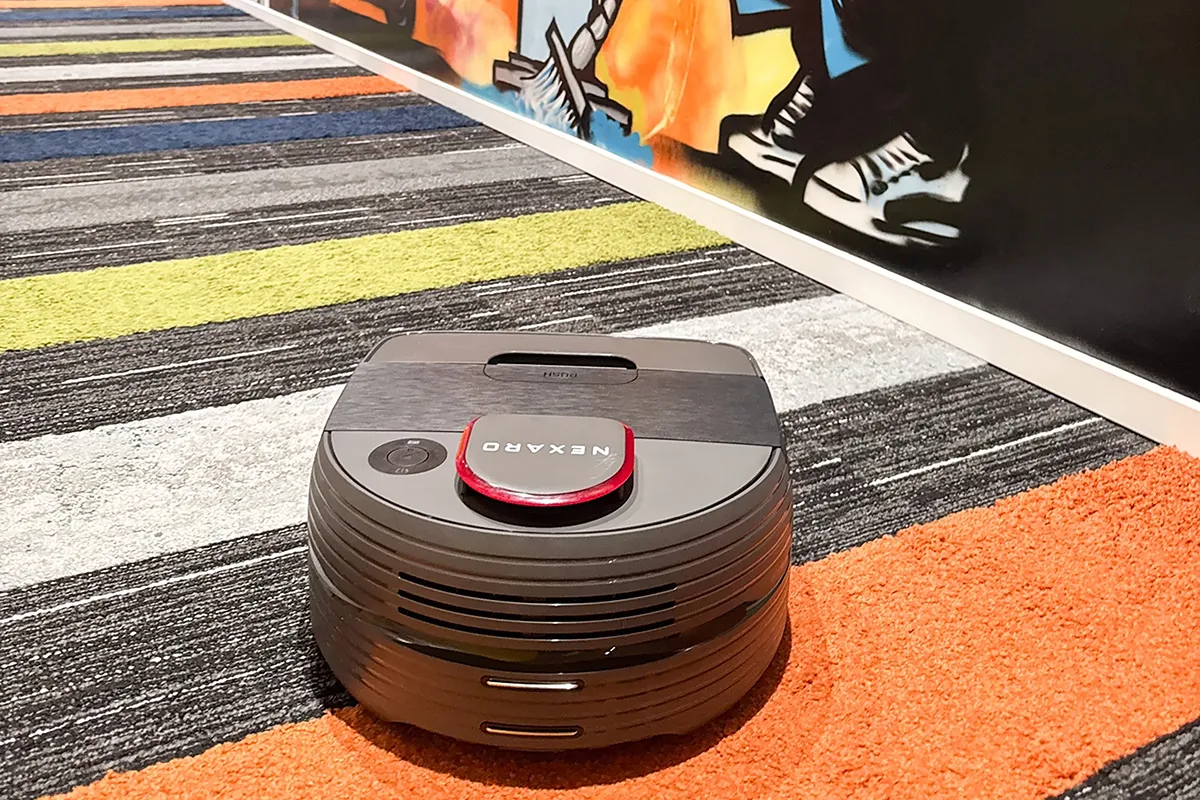
From an immaculate lobby to perfectly maintained corridors, guests expect a hotel to be spotless at all times of day. Meeting this expectation calls for greater flexibility from housekeeping teams. That is why interest continues to grow in smart technologies that can take on repetitive tasks. Robotic vacuum cleaners are gradually finding their place in the hotel sector, not as replacements for staff, but as an additional helping hand on the ground.
Group-f has taken note of this shift. By adding Nexaro robotic vacuum cleaners to its service offering, the company is investing in new technology to optimise operations. The machines take care of repetitive vacuuming in certain areas of the hotel and carry out additional cleaning runs throughout the day. This keeps the environment clean and well presented for longer, without placing unnecessary pressure on the organisation or costs.
“Our aim is not to replace staff, but to improve service standards in a smart and sustainable way,” explains Stefanie Van Steenlandt, Quality & Education Manager at Group-f. “Robotic vacuum cleaners take care of routine tasks, giving housekeeping teams more time for checks, finishing touches and detailed work. In other words, the tasks where human attention really makes a difference.”
Greater consistency in the hotel’s public areas
In the hotel sector, the guest experience is essential. Guests immediately notice when a lobby, corridor or dining area is immaculately maintained. These high-traffic areas are precisely where robotic vacuum cleaners prove their value. By carrying out scheduled cleaning runs at regular intervals, they help maintain a consistent level of cleanliness.
“A staff member will generally vacuum an area at a particular time of day. A robotic vacuum cleaner can maintain that same area several times without disrupting day-to-day operations,” says Stefanie Van Steenlandt. “Dust, hair and visible dirt have less chance to build up. As a result, the hotel environment retains a fresh, presentable appearance for longer.”
The use of robots is part of a broader shift in the professional cleaning sector. Technology is increasingly being used to organise repetitive tasks more efficiently. This approach helps hotels maintain their service standards, even as operating costs rise.
“Hotels want to deliver consistent quality to their guests while maintaining a viable, well-managed operating model,” continues Stefanie Van Steenlandt. “Smart technologies make it easier to balance these two priorities. They increase the frequency of cleaning without always requiring additional staff.”
Tested in real operating conditions
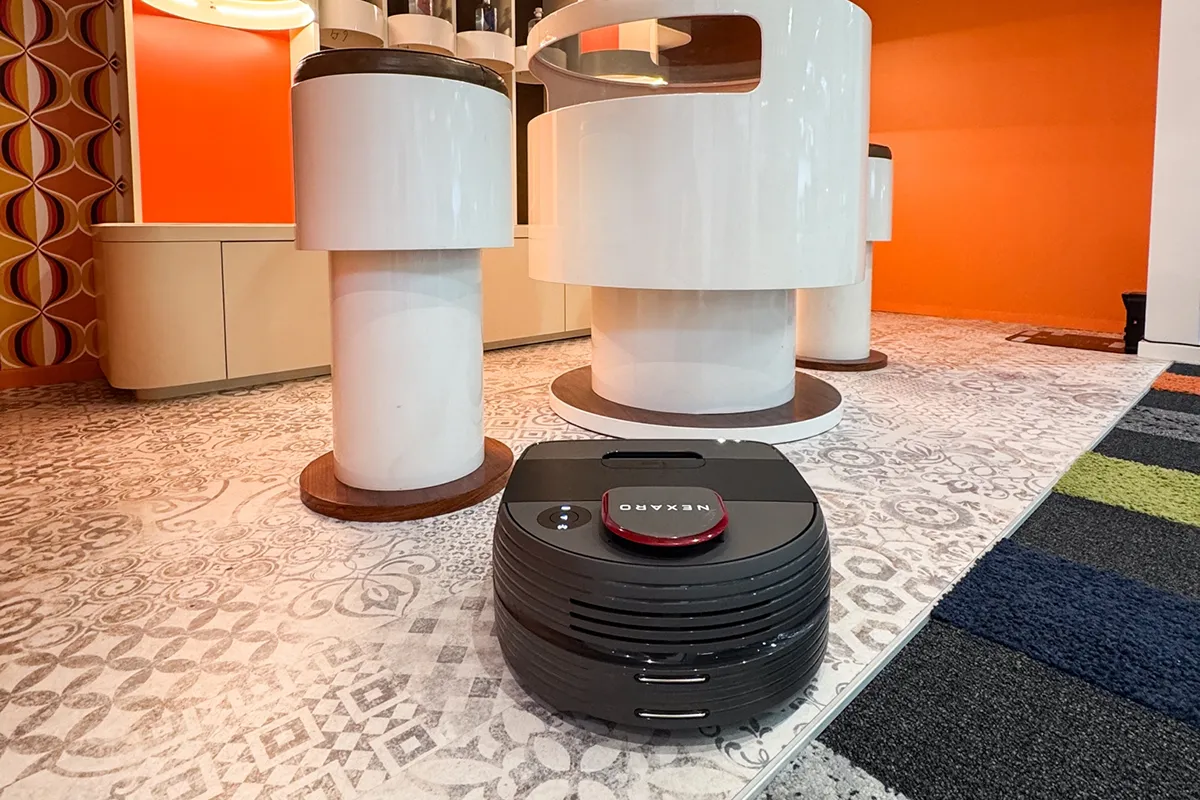
At Group-f, no equipment is added to the service offering without a thorough assessment. Each robotic vacuum cleaner is evaluated against several criteria: performance, reliability, noise levels, ease of use, energy consumption and durability. Only once these requirements have been met can a machine be deployed at a client’s premises.
“A robot must do more than perform well technically. It also needs to fit seamlessly into the operational reality of a hotel,” stresses Stefanie Van Steenlandt. “You have to take account of changing occupancy levels, busy periods, furniture, carpets, cables and guests constantly moving around. In this context, reliability is essential.”
The selected Nexaro robots begin by accurately mapping the areas. During this mapping phase, unsuitable areas are identified, marked out or excluded in advance. These may include awkward corners, areas with cabling, narrow passageways or other potential hazards. The robot then operates autonomously within clearly defined boundaries.
“This preparation is crucial,” explains Stefanie Van Steenlandt. “A robot is only truly effective when its environment has been configured correctly. By excluding problem areas in advance during mapping, we improve reliability and reduce unnecessary interruptions.”
Privacy-conscious technology
When choosing robotic solutions, Group-f looks beyond performance alone. Privacy and suitability for the hotel environment are also key considerations. The robots currently used by the company are equipped with neither cameras nor microphones. This is a deliberate choice.
“In a hotel, it is essential to have technology that is effective yet unobtrusive,” explains Stefanie Van Steenlandt. “Our robots navigate without capturing images or recording sound. This makes them easier to use and more transparent, and better suited to an environment where guests, staff and respect for privacy are central.”
People and technology working together
On the ground, the robots are primarily seen as a support tool. They take care of predictable, repetitive tasks, while staff focus on what cannot be automated: visual checks, detailed cleaning, adjustments, handling guest-related situations and monitoring quality.
“The robot provides consistency. The staff member brings judgement, finishing touches and quality,” summarises Stefanie Van Steenlandt. “That combination is what makes the difference. Technology takes care of routine tasks, but the final quality ultimately remains a human responsibility.”
In several teams, the machines have even been given nicknames spontaneously. It is proof of how quickly they are becoming part of day-to-day operations, not as replacements, but as an additional link in a professional approach to cleaning.
For hotels, this means more consistent cleaning operations, greater organisational flexibility and added value that guests can see. Areas stay clean for longer, housekeeping teams can work more effectively, and cleanliness standards are better maintained throughout the day.
Question about this story? Ask your question
Keep following this
Get an email when a new story is published. No account needed.
- ThemeHotel cleaning and maintenance
- SubjectHotel management