



Hospitality technology: human hospitality in the age of AI
Texte Lightspeed Photos Lightspeed

In the hospitality sector, innovation and tradition go hand in hand. While the essence, pampering guests by offering them exceptional experiences, remains unchanged, the way of achieving this is evolving rapidly. In 2025, technology will be even more present in hotels and restaurants, but will always serve hospitality. Here are the main trends identified by entrepreneurial platform Lightspeed in the field of hospitality technology.
AI in guest interactions and bookings
AI-powered tools will take guest interaction to the next level. From smart booking systems to feedback analysis, this technology makes it possible to deliver hyper-personalised guest experiences and work more efficiently. Think of chatbots that guide guests through the booking process, or tools that provide insights into guest preferences so front-of-house staff can take them into account. But technology should complement human contact, and is intended to enhance the experience, not dominate it.
Sustainable stock management
At a time when cost reduction and sustainability are essential, automated, data-driven stock management offers a double benefit. By using intelligent software that optimises stock levels and minimises food waste, restaurants can meet the expectations of guests who want to consume sustainably while making savings.
Data-driven cost optimisation
Hospitality technology plays a crucial role in cost control, a hot topic for many business owners, particularly because of rising costs in the sector. Sales data analysis enables business owners to fine-tune staff planning around busy and quiet periods. Menu sales figures show which dishes are bestsellers and which are least profitable, making it possible to replace the least profitable dishes quickly.
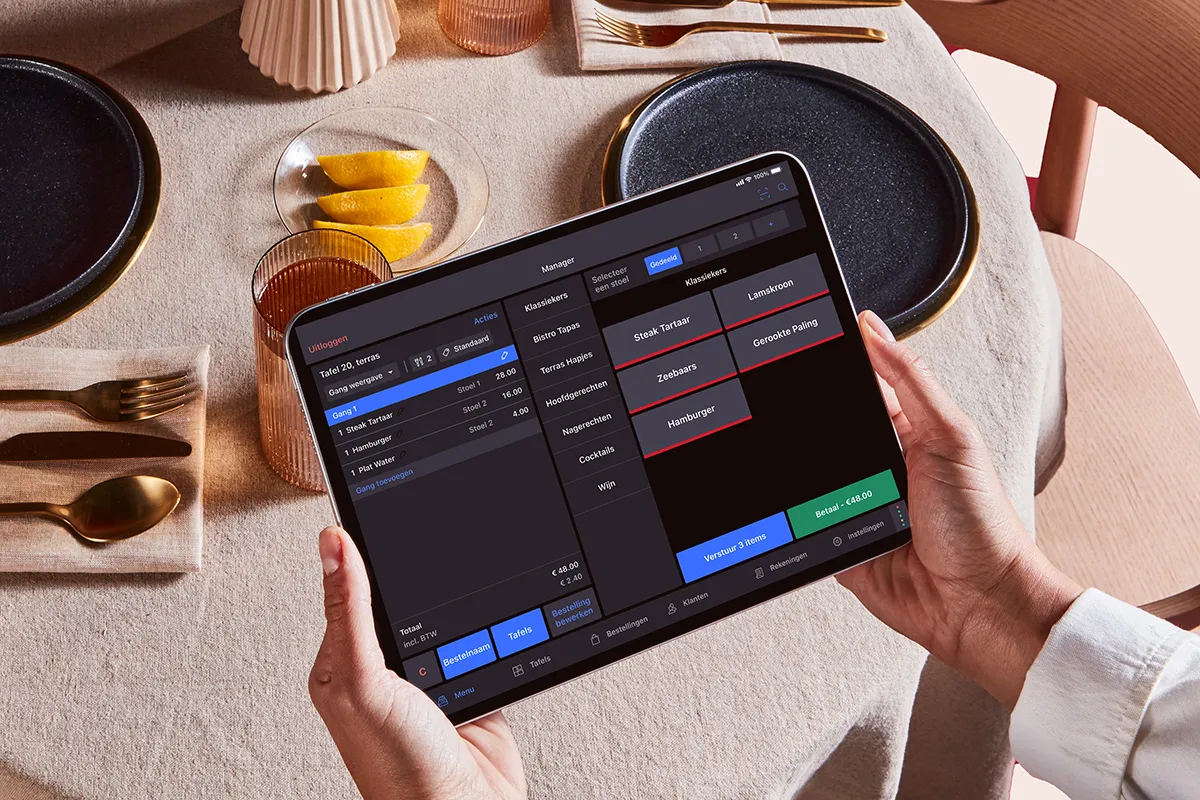
The personal touch
Guests feel more valued when they are recognised. Data makes this possible. With tools that record booking behaviour, preferences and allergies, you can introduce loyalty programmes and create personalised experiences. Offering a regular table or serving a favourite wine without the guest having to ask takes the experience to the next level.
Paperless work in the kitchen
Kitchen display screens are increasingly replacing traditional order printers. Not only are they efficient and sustainable, they also improve the accuracy of communication between the kitchen and front-of-house staff. This technology is a boon for restaurant kitchens where every detail and every second count. Going paperless not only reduces the carbon footprint, but also ensures a smooth, error-free flow of orders while improving workflows.
A seamless ecosystem
The digital transformation of hospitality businesses brings challenges, particularly when it comes to integration. Most restaurants often have a combination of tools in their tech stack, from booking systems to till and accounting software. Success depends on how smoothly these technologies work together. The ultimate goal? A single ecosystem that supports all operational processes without disruption, allowing the focus to remain firmly on the guest.
Craftsmanship and smart technology go hand in hand
Hospitality remains a matter of craftsmanship, hospitality and creating unique experiences. Technology is not an end in itself, but a tool for strengthening these principles. By using data strategically, including AI-driven data, and embracing sustainability, we can not only surprise guests in 2025, but also secure a healthy future for the hospitality sector.
Een zakelijke vraag aan Lightspeed Commerce? Get in touch
Companies in this story

Keep following this
Get an email when a new story is published. No account needed.
- ThemeHotel food and beverage
- SubjectIT & digitalisation
- CompanyLightspeed Commerce