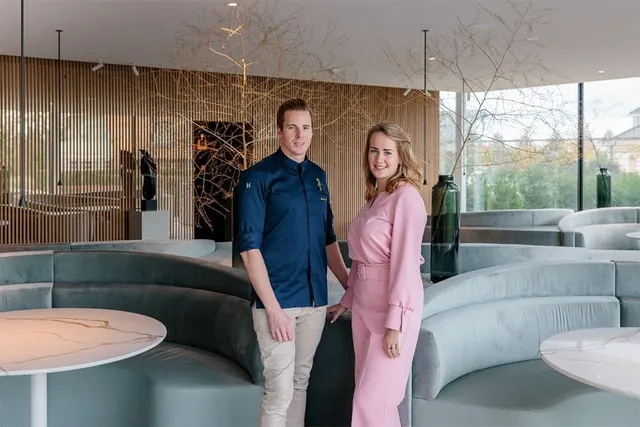




Less waste, greater profitability
Texte Kris Vandekerckhove- Photos FoodWIN / ibis Budget & Adagio Access Gent Dampoort
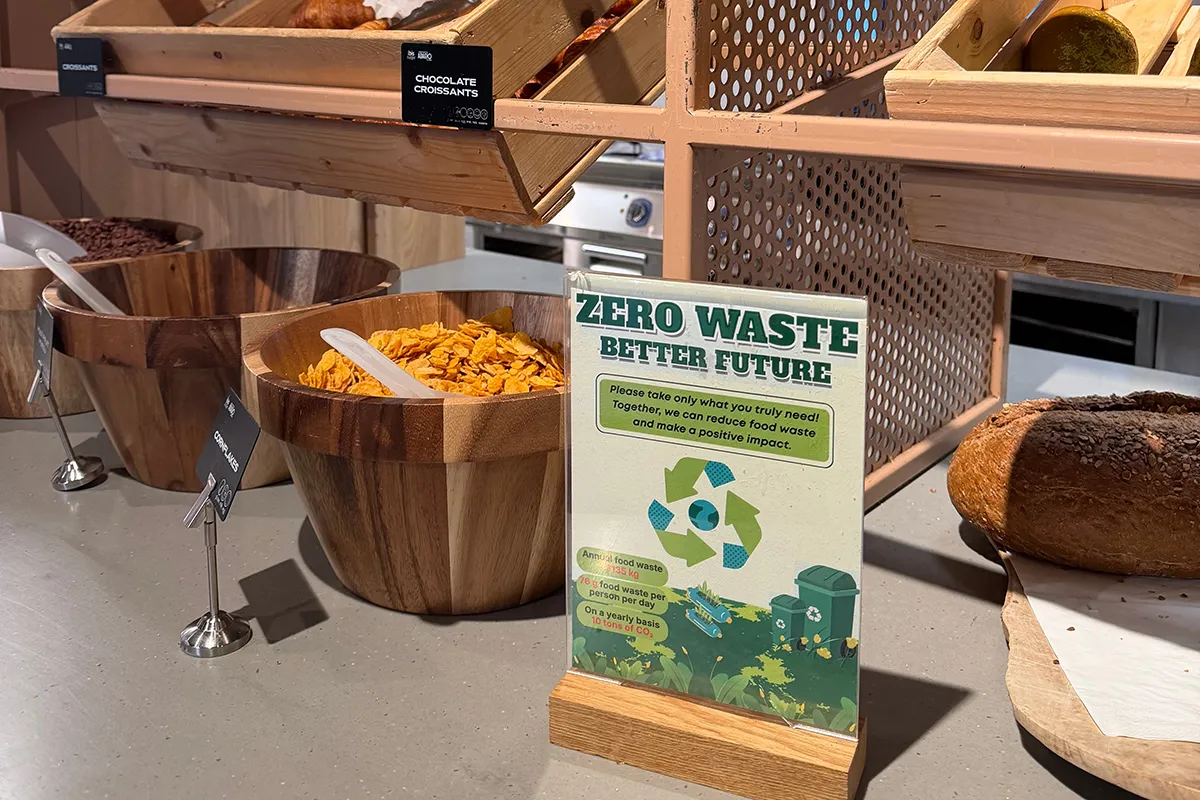
How FoodWIN helps hotels take a more considered approach to their breakfast buffet
Food waste remains a major challenge for the hotel sector. Yet small changes can quickly make a big difference. That is what ibis Budget Gent Dampoort found after taking part in the European Hotels Cut Waste project in collaboration with FoodWIN. The result: a 32% reduction in food waste, with the cost of the support programme recouped in less than a year.
FoodWIN, Rikolto’s centre of expertise dedicated to tackling food waste, supports hotels, hospitality businesses and institutional kitchens in reducing food loss. After proving its value in healthcare kitchens, the organisation turned its attention to the hotel sector a few years ago. “After a successful collaboration with Vayamundo, followed by groups such as Sheraton and Marriott, we realised just how much potential there still was in the sector,” says Mélodie Arts, coordinator at FoodWIN.
Through the European Hotels Cut Waste project, hotels receive support to map their food flows and introduce targeted measures to tackle waste. ibis Budget Gent Dampoort and Adagio Access Gent Centrum Dampoort also took part in the programme. The two hotels share the same site and a breakfast buffet, so they received support jointly.
Measure to take better action
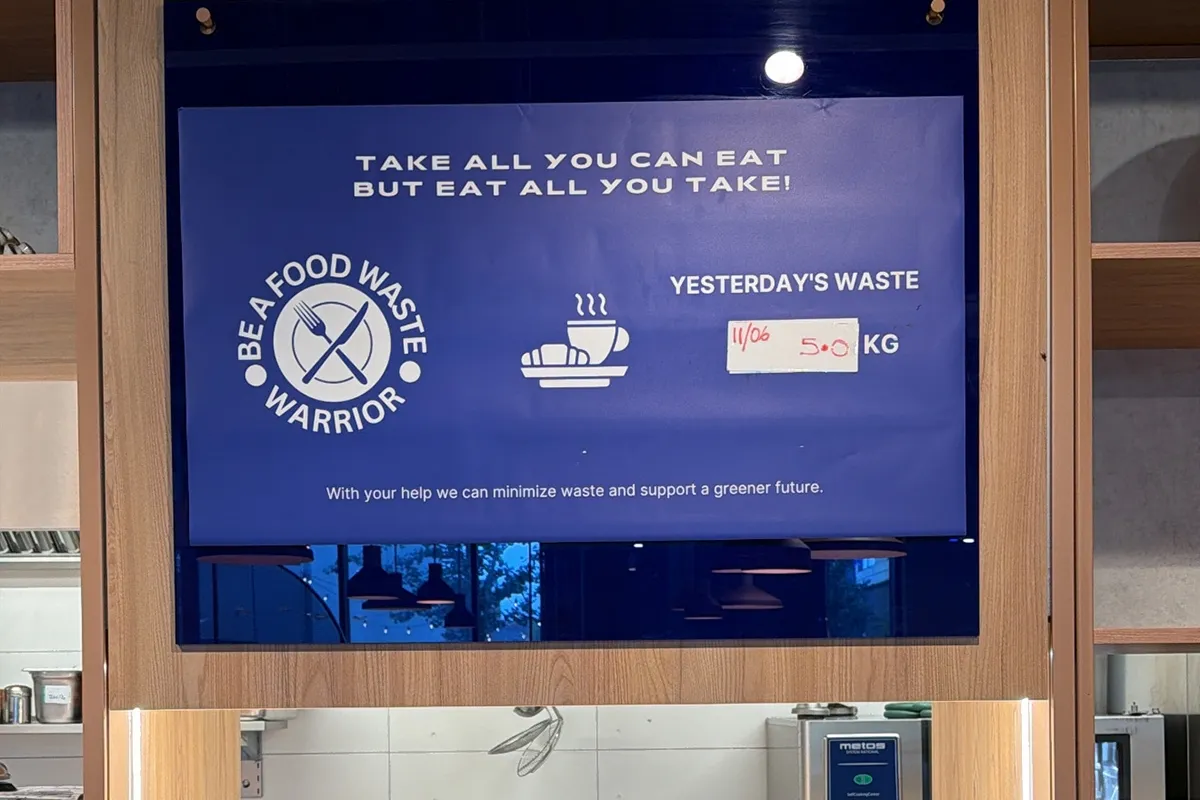
For Jef Ruysschaert, F&B Manager at ibis Budget & Adagio Access Gent Dampoort, food waste was nothing new. “We had been paying attention to it for some time. The leftovers on breakfast plates particularly concerned us. We even reported the amount of food thrown away the previous day every day.” Yet the scale of the issue turned out to be greater than expected. Initial measurements revealed that more than 1,100 kilos of food were wasted each year, averaging 76 grams per breakfast guest.
According to Mélodie Arts, this is precisely where one of the main challenges for hotels lies. “Many establishments think the situation is under control, but do not actually measure their losses. As a result, they have no realistic picture of what really ends up in the bin. Production is still too often based on intuition, without clear guidelines or historical data.”
A blame-free approach
FoodWIN’s method is based on four steps: a baseline measurement, a strategy session to analyse the results and identify opportunities for improvement, and then an action plan developed with the hotel team. A further measurement phase then assesses the results achieved.
Notably, the support programme is deliberately based on a participatory approach. “You are not handed a list of everything you are doing wrong,” says Jef Ruysschaert. “There is genuine joint reflection and a lot of discussion. At the end, you receive a clear action plan that you can put into practice straight away.”
Mélodie Arts also stresses the importance of staff involvement: “Behaviour change only works if teams take part in finding solutions themselves. That is why we bring management, kitchen and front-of-house teams together around the same table.”
Small actions, considerable impact
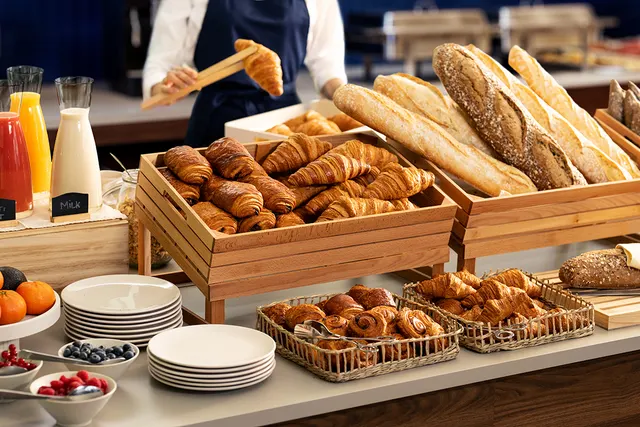
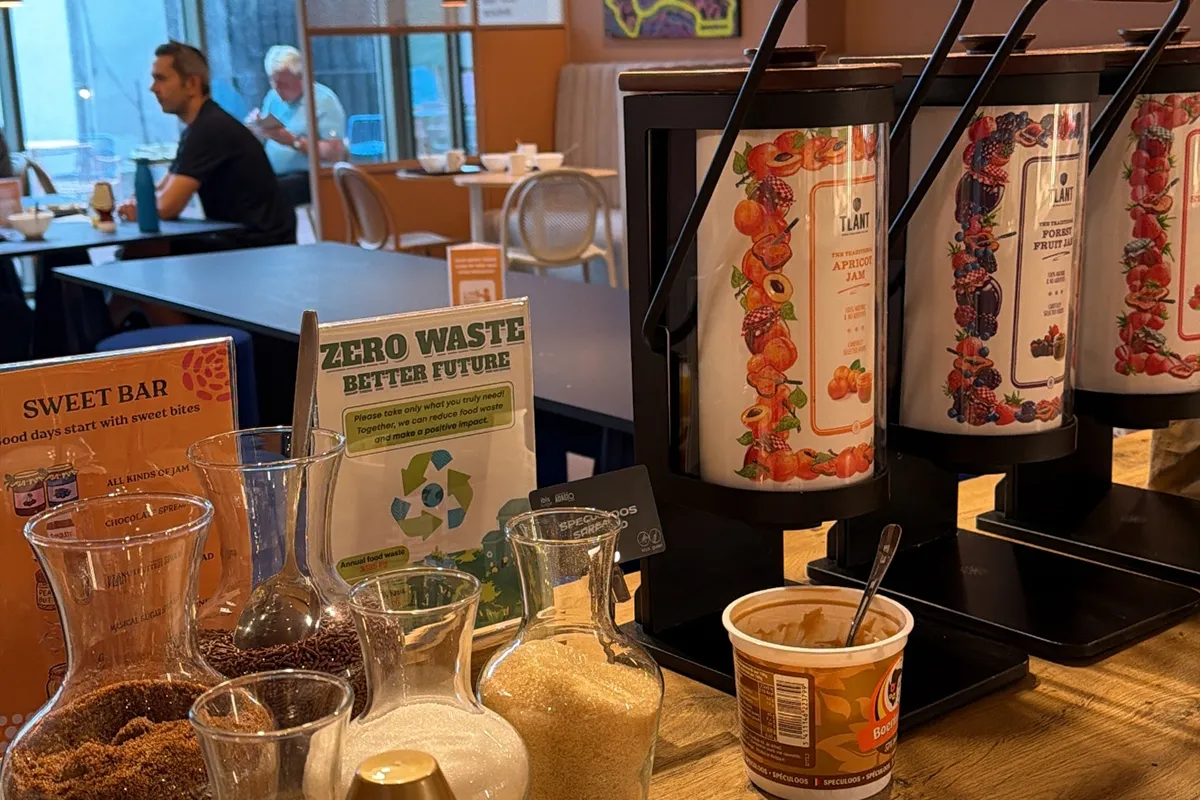
The measures introduced at the end of the programme often proved surprisingly simple. The ends of tomatoes, once thrown away, are now used to make homemade soups. Smaller plates, bowls and serving spoons have been introduced at the buffet to encourage guests to take more reasonable portions. Communication about food waste has also been stepped up, alongside clearer production instructions for the breakfast team.
Internal communication has also been improved. During breakfast service, the front-of-house team regularly tells the kitchen how many guests are still expected, allowing quantities to be adjusted more accurately. According to Mélodie Arts, this is often where the greatest opportunity for improvement lies: “Overproduction remains one of the main causes of food waste. The better you learn to anticipate guest numbers, the more precisely you can adjust production.”
Tangible results
The efforts soon paid off. The second measurement phase revealed a 59% reduction in food waste. That amounts to around one tonne of food saved each year. Savings on purchasing alone are estimated at between 2,000 and 2,500 euros a year.
For Jef Ruysschaert, the programme’s added value is clear. “The whole team is involved. We can see that both staff and guests appreciate the approach. The issue stays on the organisation’s agenda, while we also receive the support needed to achieve results.” His advice to fellow hoteliers is unequivocal: “I recommend it without hesitation. The programme is professionally run, provides practical tools and delivers real results.”
Question about this story? Ask your question
Keep following this
Get an email when a new story is published. No account needed.
- ThemeHotel business models and development
- SubjectFood & beverage