



Hybrid VRF for hotels: greater comfort, less refrigerant and a solution ready for future regulations
Texte Josefien De Bock Photos Mitsubishi Electric
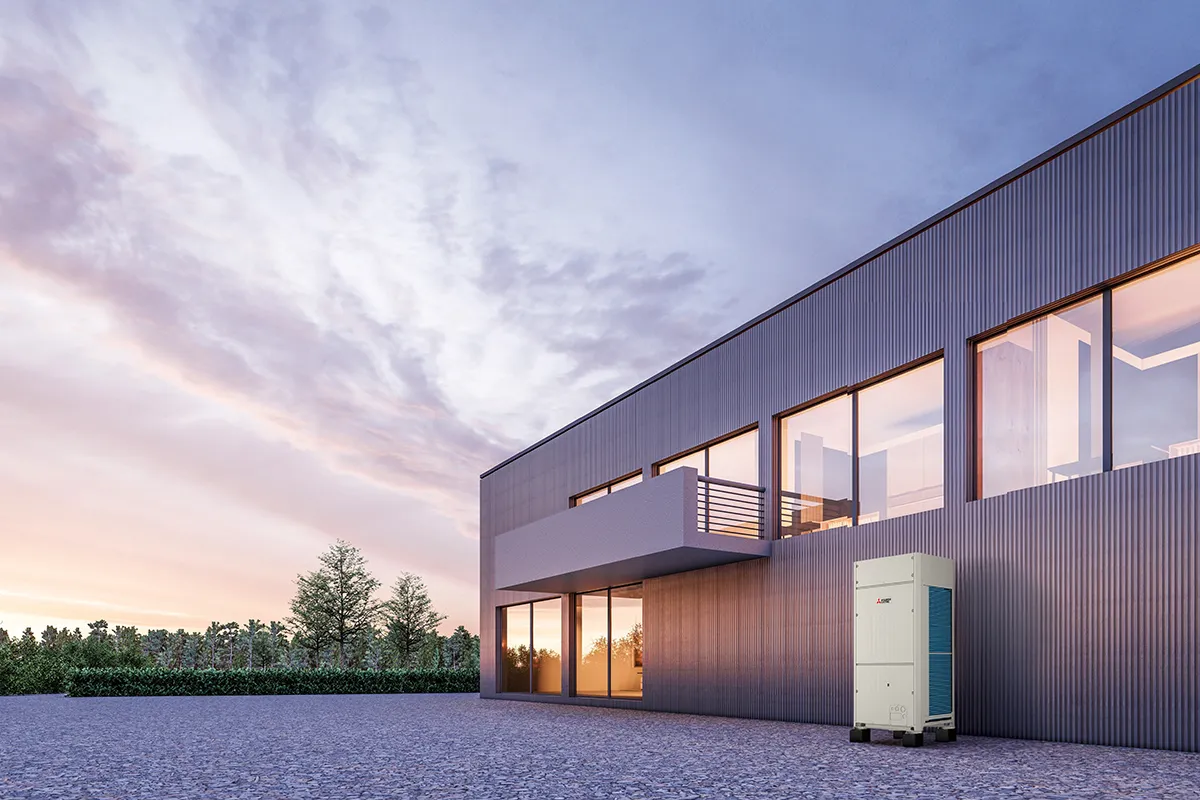
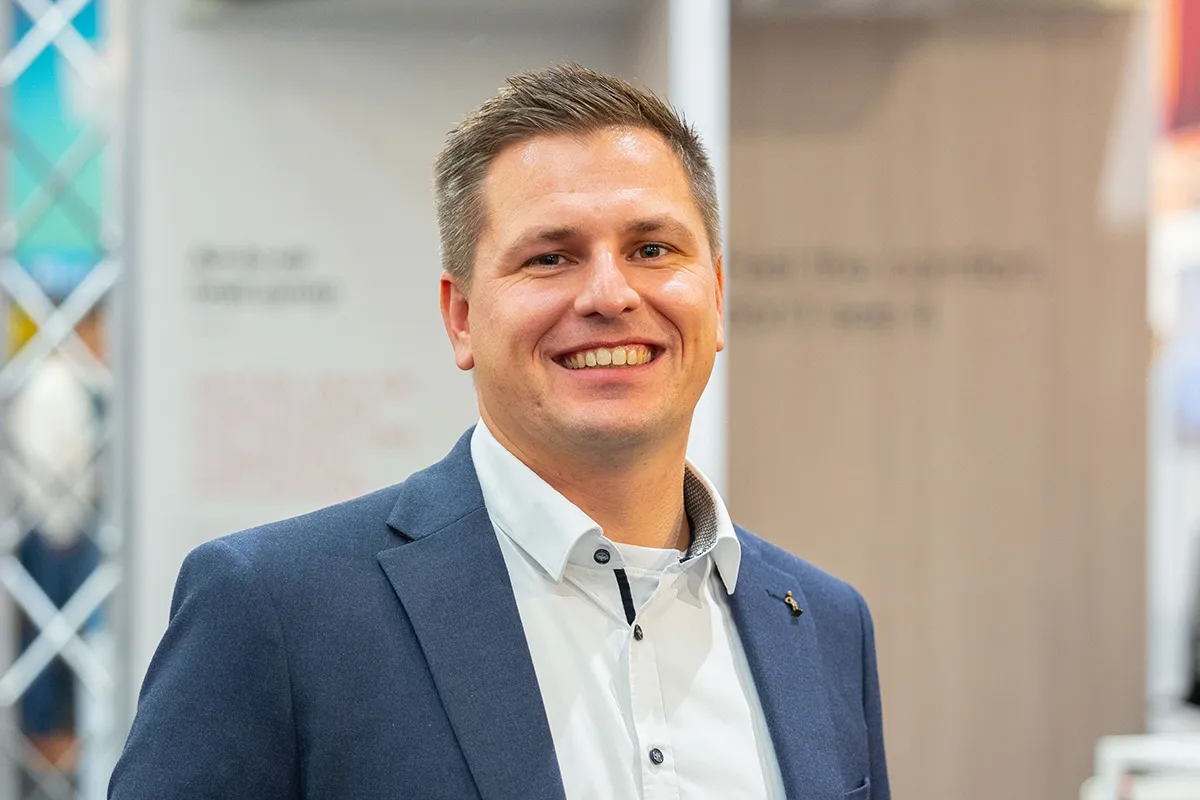
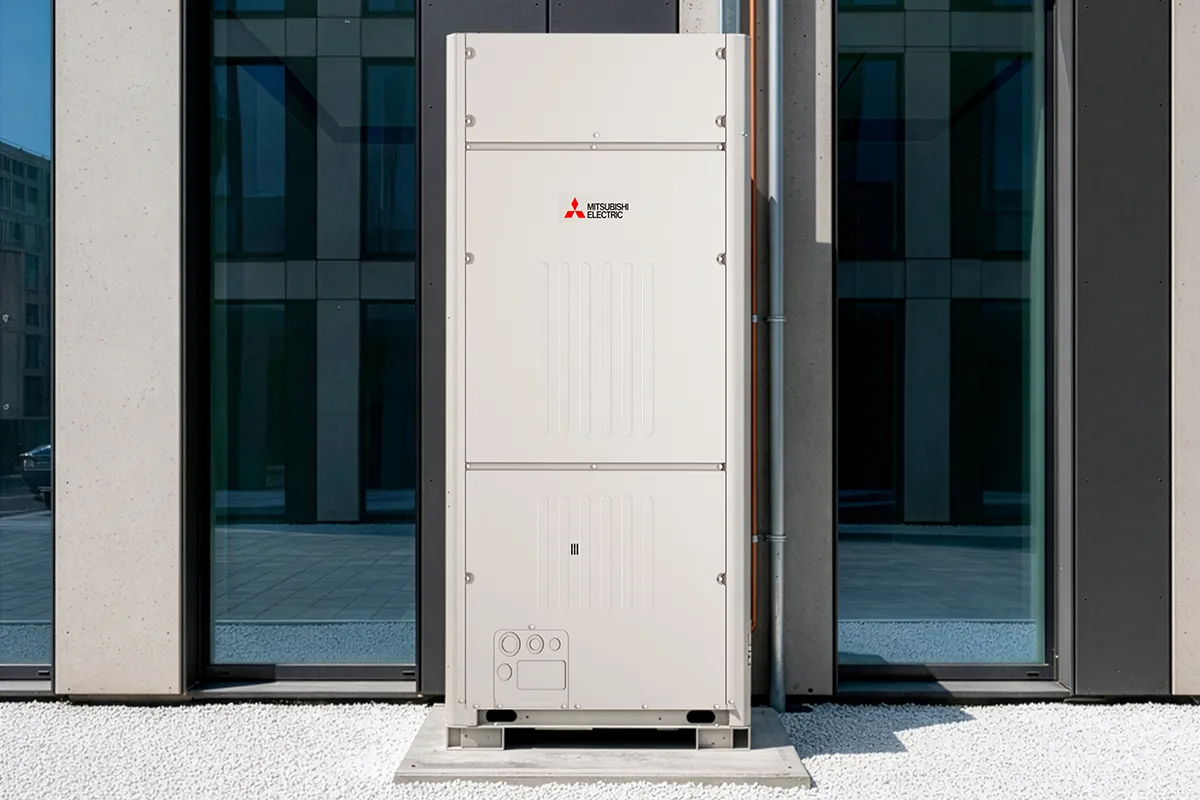
Whether in the height of summer or the depths of winter, hotel guests expect their room to remain at a comfortable temperature. At the same time, hotel operators must contend with increasingly ambitious sustainability targets and constantly changing refrigerant regulations. “The challenge is to reconcile comfort, sustainability and operational feasibility,” explains Bart Smulders, Account Manager at Mitsubishi Electric. With its new City Multi VRF YXM outdoor units, the company is further developing its hybrid VRF technology, a solution proven over more than ten years and now more relevant than ever to the challenges facing the hotel sector.
When guests enter their room, they are not thinking about refrigerants, pipework or installation standards. Above all, they expect a comfortable indoor climate and a quiet environment. To meet this expectation, Mitsubishi Electric is focusing, among other things, on hybrid VRF (Variable Refrigerant Flow). In this system, refrigerant does not circulate through most of the building: water transfers the energy instead. The central HBC controller connects to the water circuit and enables each space to be heated or cooled independently.
“This principle offers many advantages for hotel applications,” says Bart Smulders. “The amount of refrigerant in the building is significantly reduced, while comfort levels remain high. Guests also particularly appreciate the gentler supply air temperatures.” Each room can also be heated or cooled individually, a major advantage in a hotel where guests’ temperature preferences vary.
Less refrigerant, greater peace of mind for the future
Refrigerants are playing an increasingly important role in construction and renovation strategies. European regulations are gradually encouraging the phase-out of refrigerants with a high environmental impact. As a result, clients, investors and hotel operators are increasingly assessing projects over the long term, rather than focusing solely on the initial investment.
With hybrid VRF, refrigerant is confined to the primary side of the system. This approach significantly reduces the total volume of refrigerant used and makes the building less vulnerable to future regulatory changes.
“When we launched hybrid VRF, the main focus was on comfort and safety,” explains Bart Smulders. “Today, we see that this technology also aligns perfectly with the sustainability targets that are becoming increasingly important in hotel projects.”
This advantage applies to both new-builds and projects seeking environmental certifications such as BREEAM. The reduced refrigerant charge can help projects earn additional points under these schemes.
More flexibility for designers and renovation projects
Hotels are rarely designed to a standard template. Renovation projects in particular often require bespoke solutions. Existing plant rooms, limited ductwork space and historic buildings regularly present significant challenges for design consultants and installers.
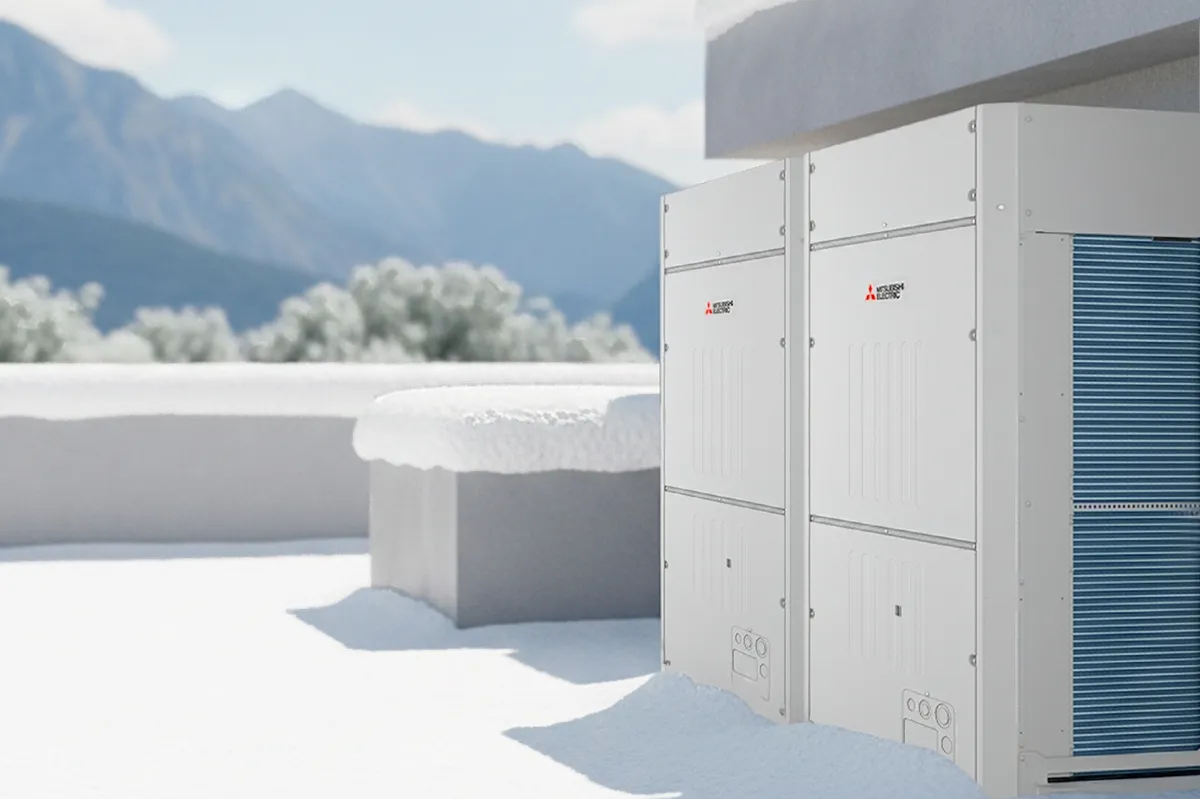
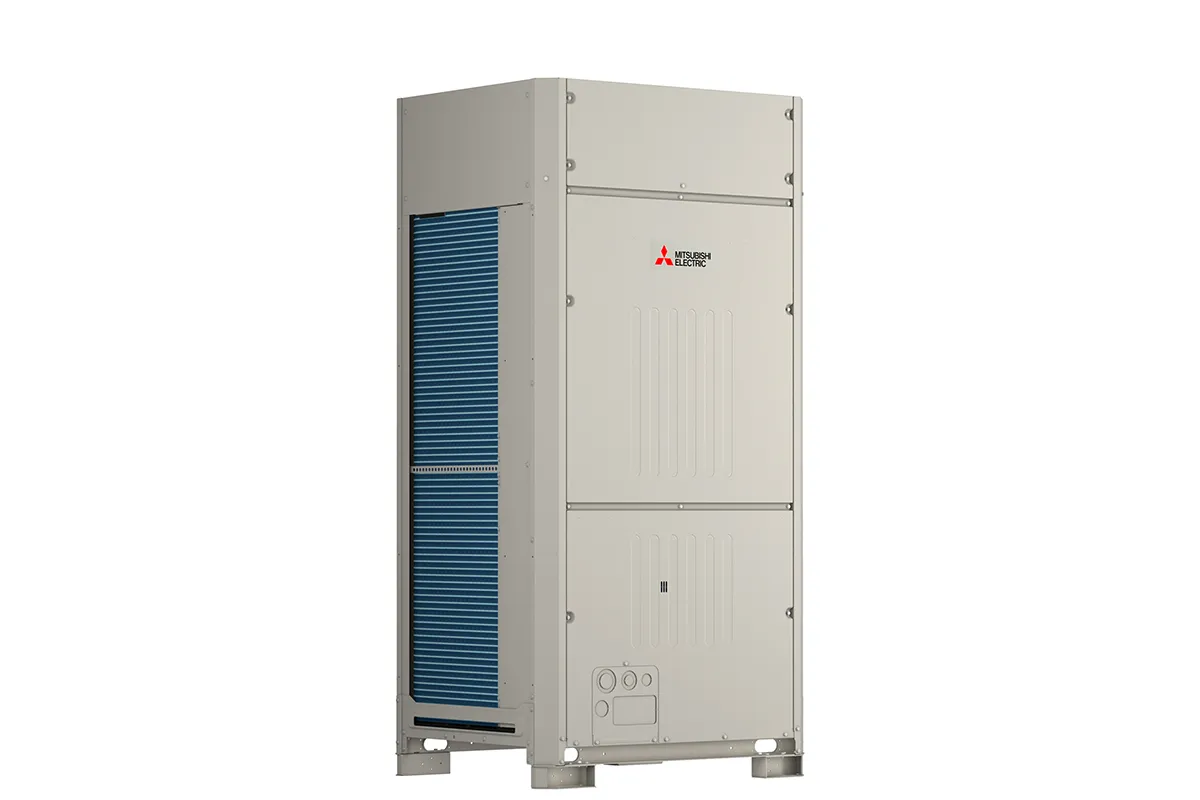
That is why the new City Multi VRF YXM outdoor units offer great flexibility in how they are integrated. They can be used in either a hybrid VRF configuration or a conventional DX system running on R32. This allows each project to adopt the approach best suited to its specific requirements.
Unlike many conventional hydronic systems, hybrid VRF does not require large buffer tanks. This reduces the space needed for plant and considerably simplifies system design.
Mitsubishi Electric has also developed its own leak detection solutions for its conventional VRF range, as well as isolation valves and a risk management tool.
“This helps us support design consultants, installers and clients in applying the EN378 standard,” explains Bart Smulders. “Our ambition is not simply to supply equipment; we also want to simplify the entire design process.”
Mitsubishi Electric also offers MELCloud Commercial, a ready-to-use solution that helps meet the BACS requirements applicable to non-residential buildings. The platform provides detailed insight into energy consumption and helps hotels optimise the control of their systems. Integration with a building-wide building management system (BMS) is also possible.
The new City Multi VRF YXM outdoor units provide heating down to an outdoor temperature of -25 °C and cooling up to 52 °C. But beyond technical performance, hotel operators are looking for one thing above all: the assurance that their guests will enjoy a comfortable stay, and the confidence that they are investing in a solution that will remain relevant over the long term. ■
Een zakelijke vraag aan Mitsubishi Electric Belgium? Get in touch
Companies in this story
Keep following this
Get an email when a new story is published. No account needed.
- ThemeEnergy and environmental impact
- SubjectHotel management
- CompanyMitsubishi Electric Belgium