



How Inge De Lathauwer is making hospitality a catalyst for change in Sumba
Texte Kris Vandekerckhove - Photos Inge De Lathauwer
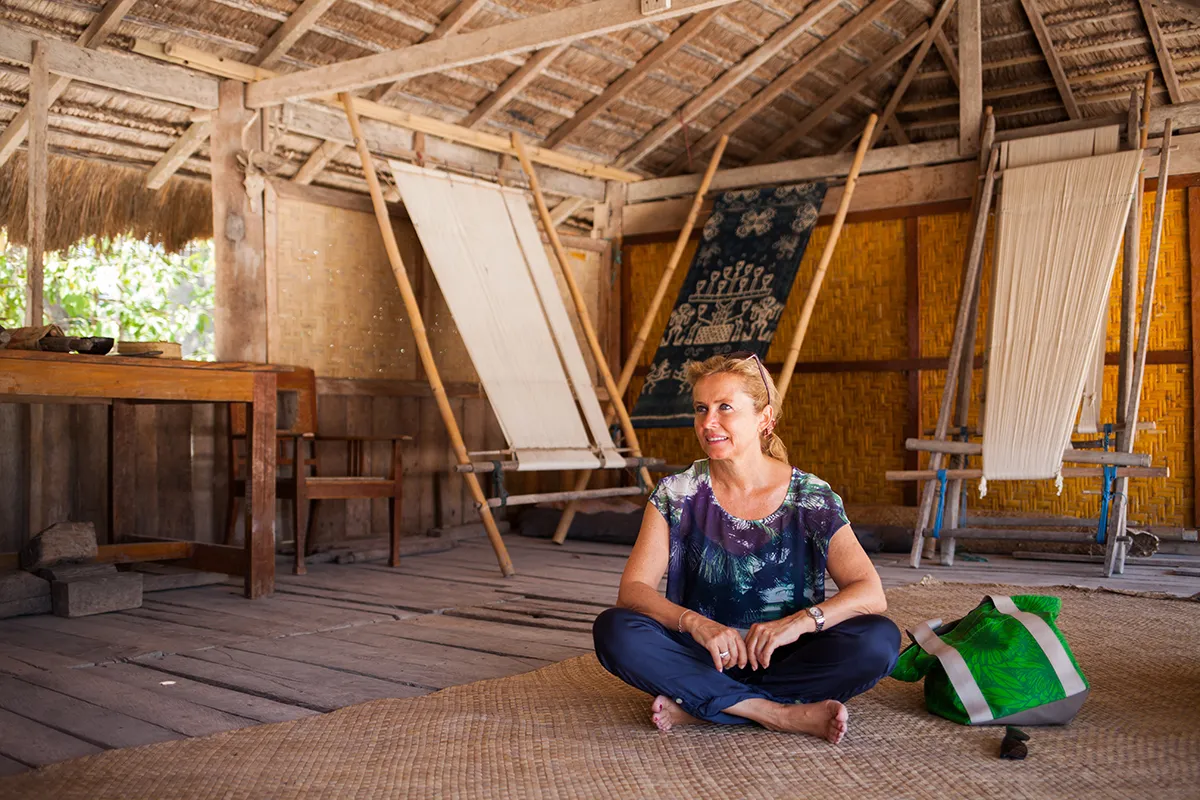
“Education is a means of empowerment.”
What began as a trip fuelled by curiosity has become a project with a lasting impact for Inge De Lathauwer. On the Indonesian island of Sumba, she has developed a hospitality school, an eco-resort and a permaculture campus that have already given nearly six hundred young people a brighter future.
Her story goes far beyond tourism. It is about education, sustainability, dignity and how hospitality can become a genuine driver of social change.
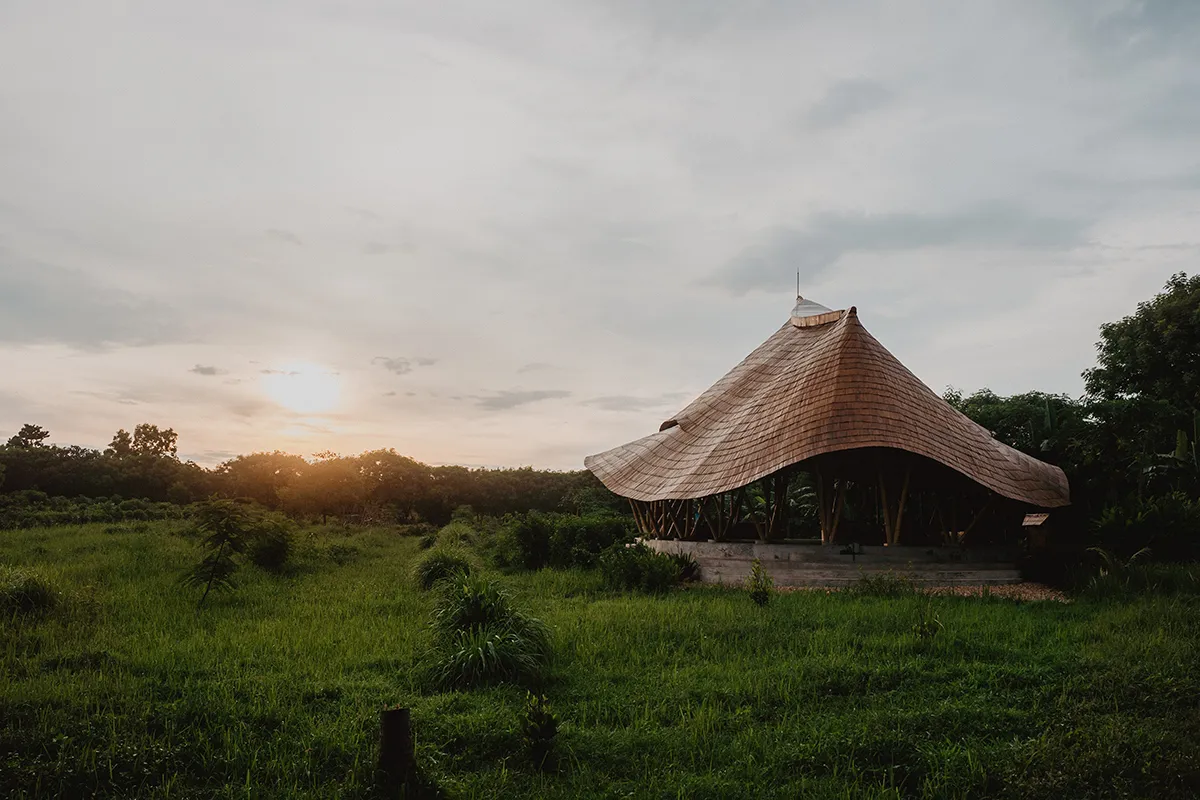
An island she has never left behind
When Inge De Lathauwer first discovered Sumba in 2013, she was travelling as a tourist. She already knew Indonesia well, having visited Bali and Java, but knew practically nothing about Sumba. It was precisely this unfamiliarity that drew her in.
What she found there left a deep impression. Sumba is an island of exceptional beauty, with spectacular scenery, a strong culture and an almost timeless atmosphere. But she also encountered extreme poverty, which profoundly affected her. Not the kind of poverty one occasionally glimpses from the road, but a structural reality characterised by malnutrition, inadequate hygiene, a lack of infrastructure and an almost complete absence of prospects.

Through her contacts involved in water-access projects, she was also able to visit villages and communities that remain out of sight of most visitors. There, she saw just how precarious living conditions were. At the same time, she sensed that Sumba was at a turning point in its history. Foreign investors and land speculators had begun to take an interest in the island. Tourism was booming, or on the verge of doing so. And it was precisely this development that she saw as both an opportunity and a risk.
“I thought: tourism will come here one way or another. The only question is who will really benefit from it.”
From concern to action
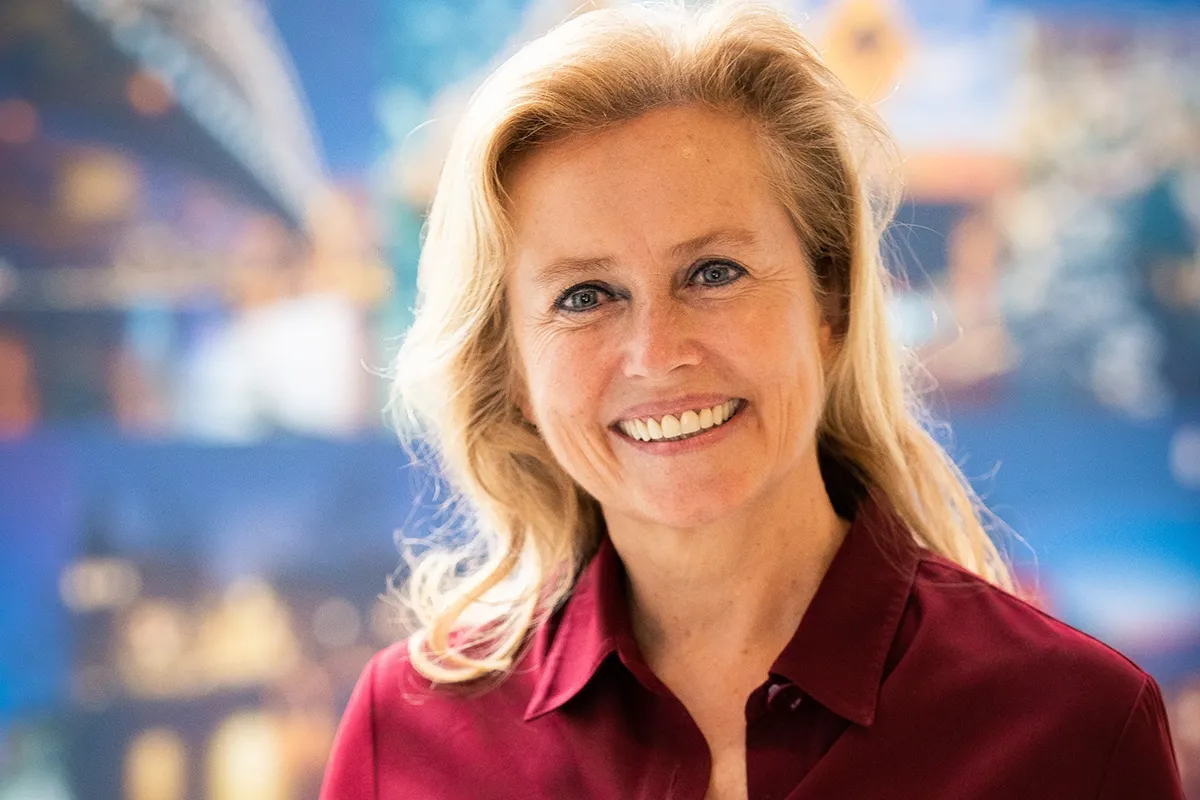
With a background in hotel management, Inge De Lathauwer had long wanted to launch a socially driven project. In Sumba, everything fell into place.
She quickly realised what could go wrong when tourism development is not rooted in the local community. Over the past few decades, she had seen Bali change, and not always for the better. Mass tourism had certainly generated economic growth, but also tensions, a sense of alienation and a loss of balance. She did not want to see the same scenario play out in Sumba.
Her starting point, however, was remarkably realistic. She knew exactly what she could not do. She could not prevent speculation or reshape the island’s future as a foreigner. And she certainly did not want to take the stance of a Westerner who claims to know what is best for others.
What she could do was prepare young people in Sumba for what lay ahead. Give them a way to avoid being consigned to low-skilled, poorly paid jobs on the fringes of the tourism sector, and instead build a real career in hotels and hospitality. Give them the means to play an active part in the future of their island. That is how the Sumba Hospitality Foundation came into being.
“Education is a means of empowerment. The skills and knowledge you pass on to someone can never be taken away from them.”
Far more than a traditional hotel school
From the outset, the school founded by Inge De Lathauwer was conceived as far more than a straightforward hospitality training programme.
Of course, students learn cooking, restaurant service, housekeeping, reception and all the essential skills of the trade. But the programme goes much further. Students also learn what tourism means for a community. They develop an understanding of sustainability, the impact of economic development and what forms of tourism are desirable for their island. So this is not just vocational training, but also an opportunity to raise awareness and encourage reflection.
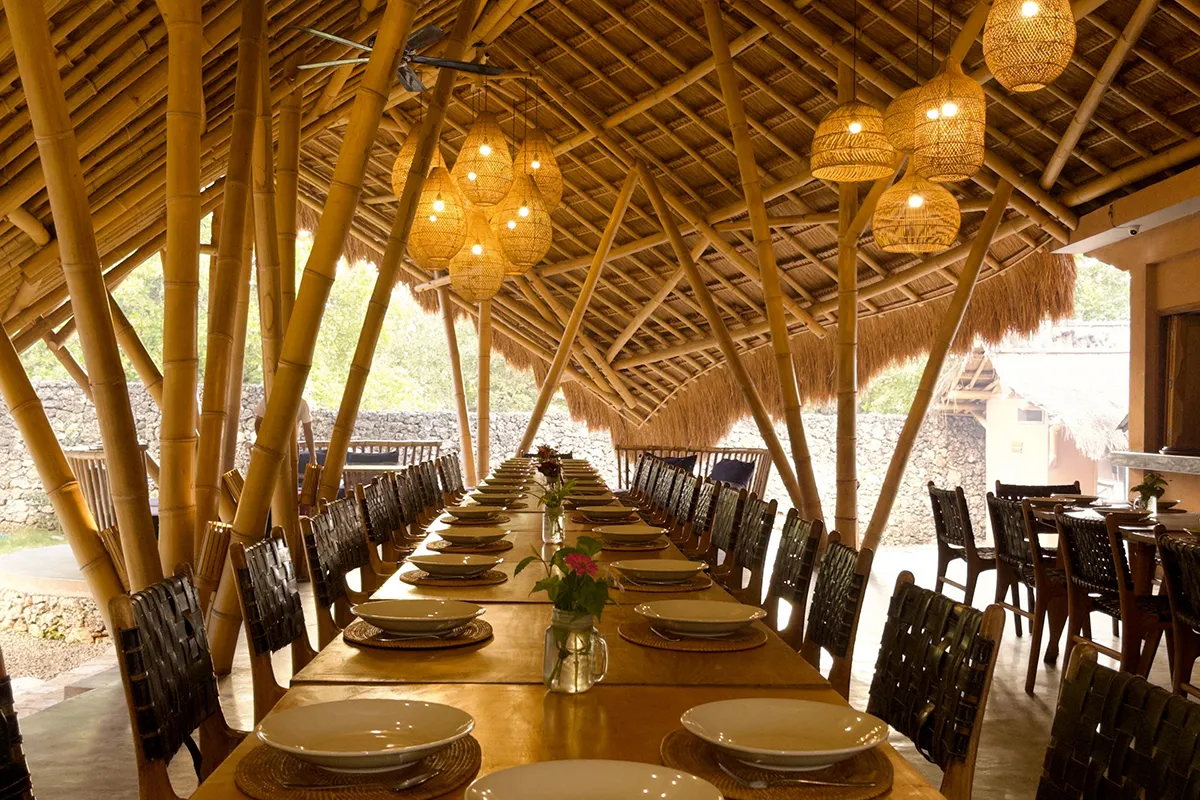
This vision is also reflected in the campus itself. Wherever possible, the facilities were built using local materials such as stone and bamboo. When Inge De Lathauwer acquired the land, there was no running water or electricity. Self-sufficiency was therefore not a marketing pitch, but a necessity.
Today, the campus runs on 288 solar panels and has two boreholes, as well as a water filtration and reuse system. The project is therefore a genuine living laboratory for the sector. This is not a superficial approach to sustainability that merely encourages guests to reuse their towels, but a model in which sustainability is built into the project from the design stage.
Hospitality, as well as food and farming
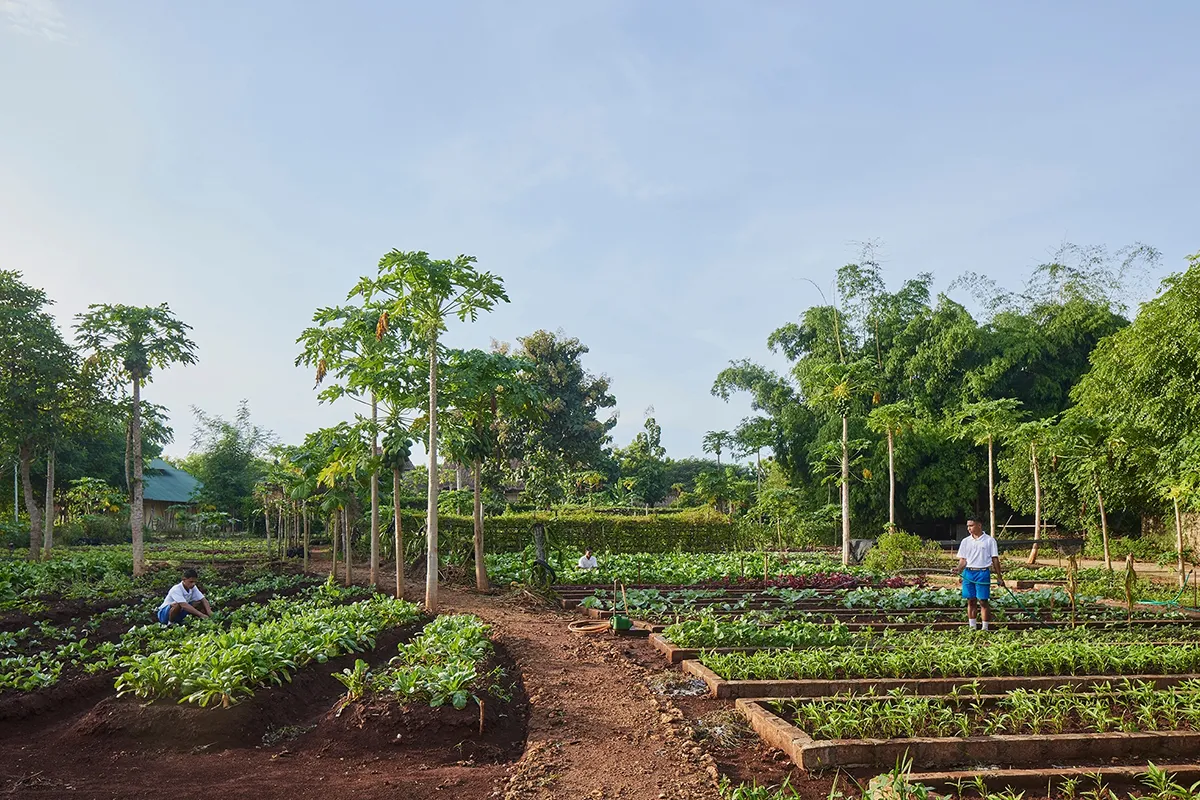
One of the most striking aspects of the project is the central role played by permaculture.
Sumba’s poor soils make food production difficult, while malnutrition remains a chronic problem on the island. That is why Inge De Lathauwer decided early on to make agriculture an integral part of the project. What began with two hectares of permaculture has grown into four hectares of food production on an eight-hectare campus. Students learn to compost, grow crops without chemicals and see healthy food as an essential condition for development.
This is no minor detail. For Inge De Lathauwer, everything is connected: when people do not eat properly, it is difficult to learn, work and make lasting progress.
The results are now significant. The campus produces around one tonne of fruit and vegetables each month. This not only feeds the students and guests at the eco-resort, but also shows that even in difficult conditions, it is possible to achieve far more than people might imagine.
“This is not just a hotel school. We also want to teach young people what tourism really is, how sustainability works and how they can pass this knowledge on to people around them.”
From no experience to five-star establishments
The figures are impressive. Nearly six hundred young people have already graduated. According to Inge De Lathauwer, 98% of them find good jobs, whether in Sumba, elsewhere in Indonesia or internationally, from Bali to Dubai and the Maldives to cruise ships.
This achievement is all the more remarkable because many students start from scratch. When they arrive on campus, some have never slept in a bed, used a shower or spoken a word of English.
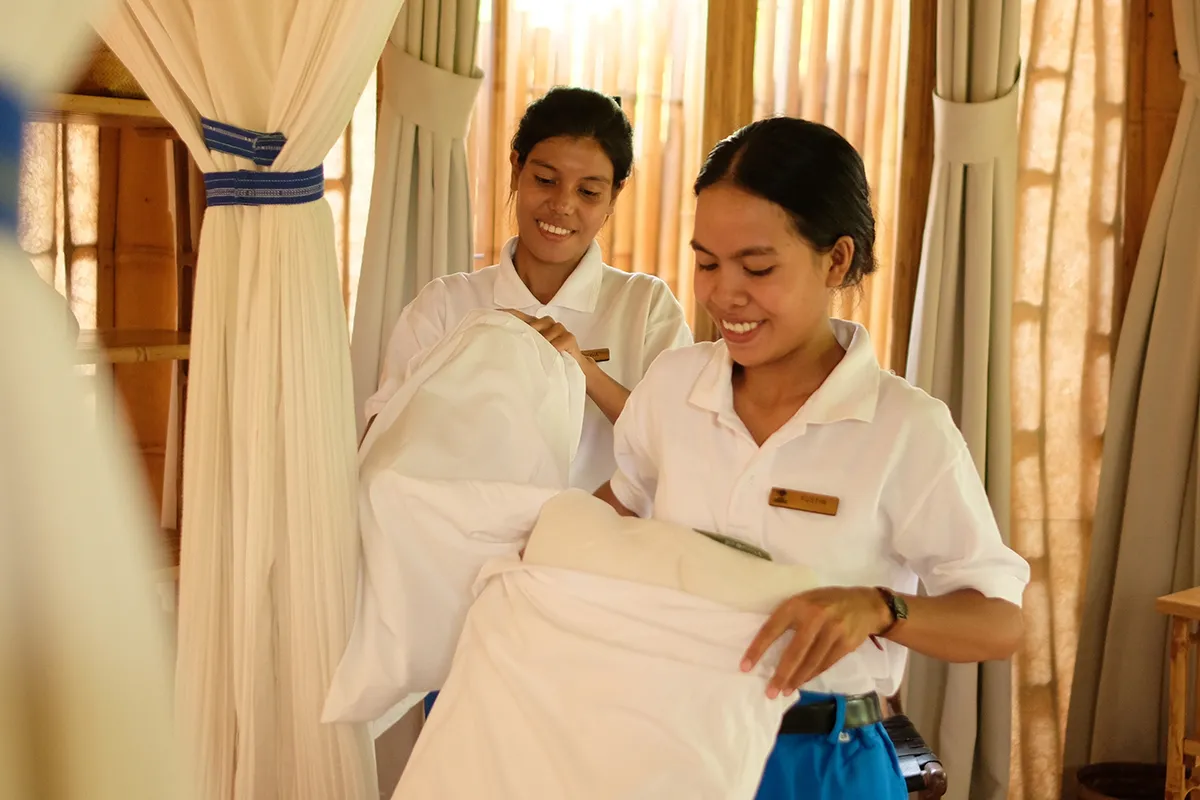
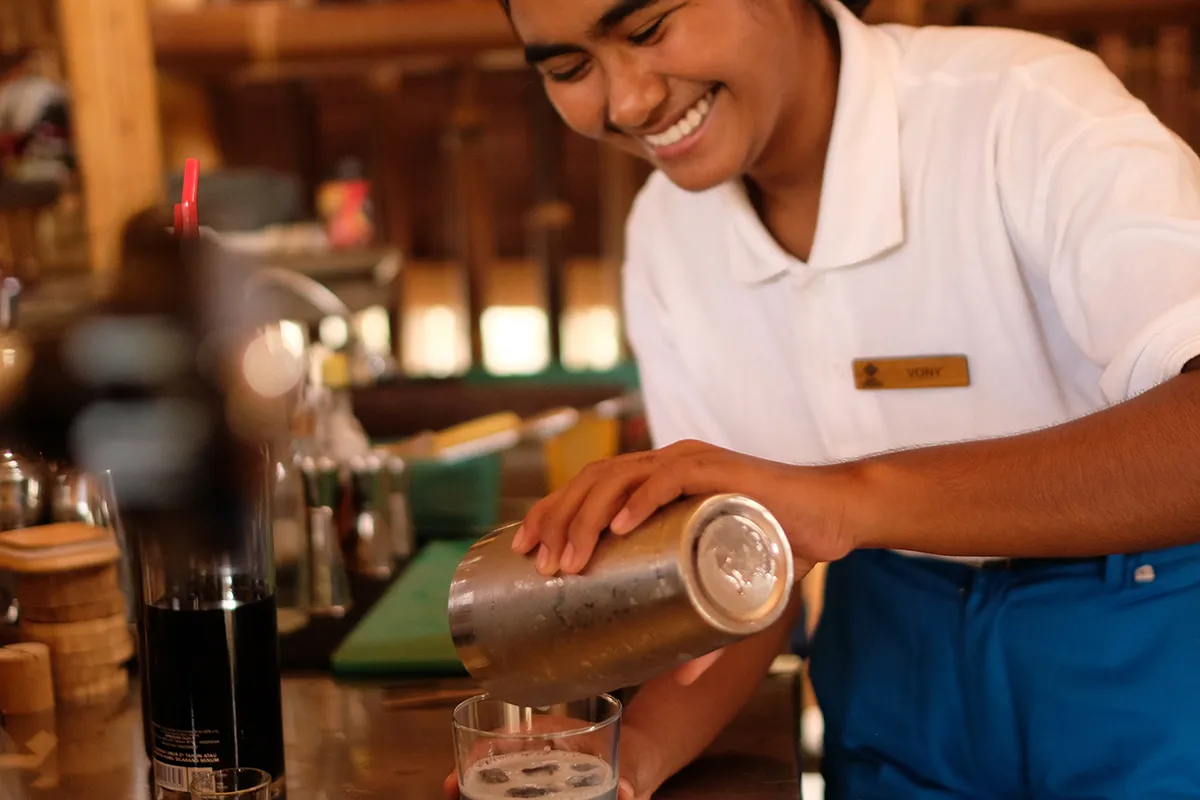
The training is particularly intensive: students live on campus and attend classes six days a week for a year, from morning until evening. The first two months are devoted to the basics. After that, they gain hands-on experience at the campus eco-resort, which welcomes real guests. They learn hospitality on the job, interacting with guests every day. This combination of learning and experience is a considerable advantage.
It is no coincidence that groups such as Hyatt, Kempinski and Ritz-Carlton work with the school. Inge De Lathauwer has visited these establishments herself to assess their approach to talent management and training. The sector’s conclusion is clear: technical skills can be learnt, but motivation and attitude are much harder to teach. And this is precisely where students from Sumba stand out.
Selecting for ambition
Each year, between six hundred and eight hundred candidates apply for around seventy places. Selection is therefore unavoidable. First, the team travels around the island to raise awareness of the school, working with schools, local authorities, churches and social media. In the early years, Inge De Lathauwer carried out this work herself with a local partner. She believes this local grounding is essential. Without an understanding of the culture, sensitivities and realities on the ground, a project like this cannot work in the long term.
A written test is followed by individual interviews. Academic knowledge is not the only criterion assessed. Motivation, resilience and a willingness to work hard matter just as much.
Inge De Lathauwer is not looking for perfect candidates, but for young people who can believe that a different life is possible.
“Poverty is a situation; it does not define a person.” This probably sums up her philosophy better than anything else. She focuses not on what is lacking, but on potential.
What Belgium can learn
Asked what she would do differently if she were to open a hotel in Belgium tomorrow, Inge De Lathauwer answers cautiously, but tellingly.
Sustainability would be an absolute requirement for her. Inclusion would be just as important. She would seek to attract and train young people from less advantaged backgrounds. She might even prefer to set up an academy rather than a hotel. In her view, practical education is still too often undervalued, despite its enormous potential, particularly in Europe.
She also observes that in Belgium, many young people still fall through the cracks too quickly or struggle to find their place. The hospitality sector could offer them real prospects, provided it fully accepts this responsibility.
She also offers an interesting reflection on the profession itself. In her view, the concept of service has become almost problematic in Europe, even though the very essence of hospitality is wanting to give others a great experience.
Perhaps this is the most fundamental lesson from her journey: hospitality does not start with luxury, but with attitude.
Far more than a hotel story
Inge De Lathauwer’s story is exceptional, but it also offers valuable lessons for the industry as a whole. It shows what hospitality can become when it looks beyond occupancy rates, revenue and service processes. In Sumba, it is a driver of education, food security, dignity and economic independence.
What she has built is neither a conventional development project nor an ordinary hospitality school. It is an ecosystem in which training, sustainability and entrepreneurship reinforce one another.
And that is perhaps what makes her story so powerful: it reminds the industry of something that can sometimes be forgotten. At its heart, hospitality has always been about people.
The Sumba Hospitality Foundation at a glance
• Founded by Inge De Lathauwer
• Based on the Indonesian island of Sumba
• Combines hospitality training, an eco-resort and permaculture
• Nearly 600 graduates
• Several hundred applications each year for around 70 places
• Alumni working in Indonesia and internationally at leading hospitality and food service establishments
Question about this story? Ask your question
Keep following this
Get an email when a new story is published. No account needed.
- ThemeHotel guest experiences and audiences
- SubjectNews