



A selection of previous HOTELVAK interviews
Texte Kris Vandekerkhove Photos Divers
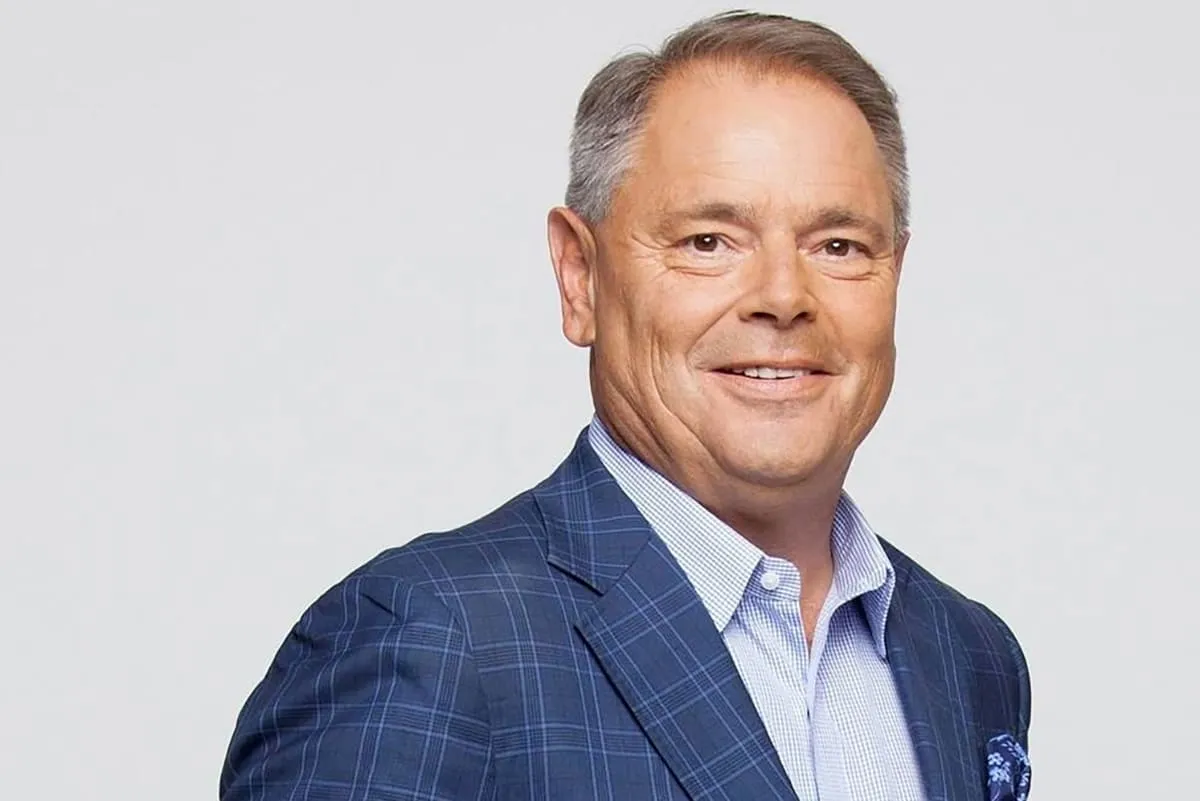
Belgian Masters of Hospitality
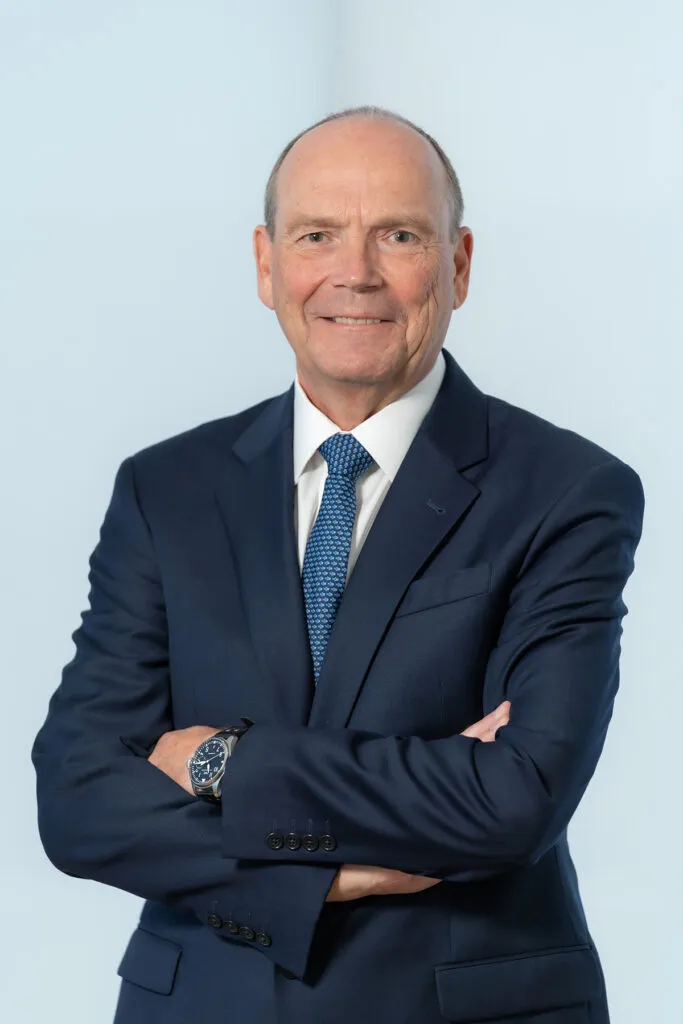
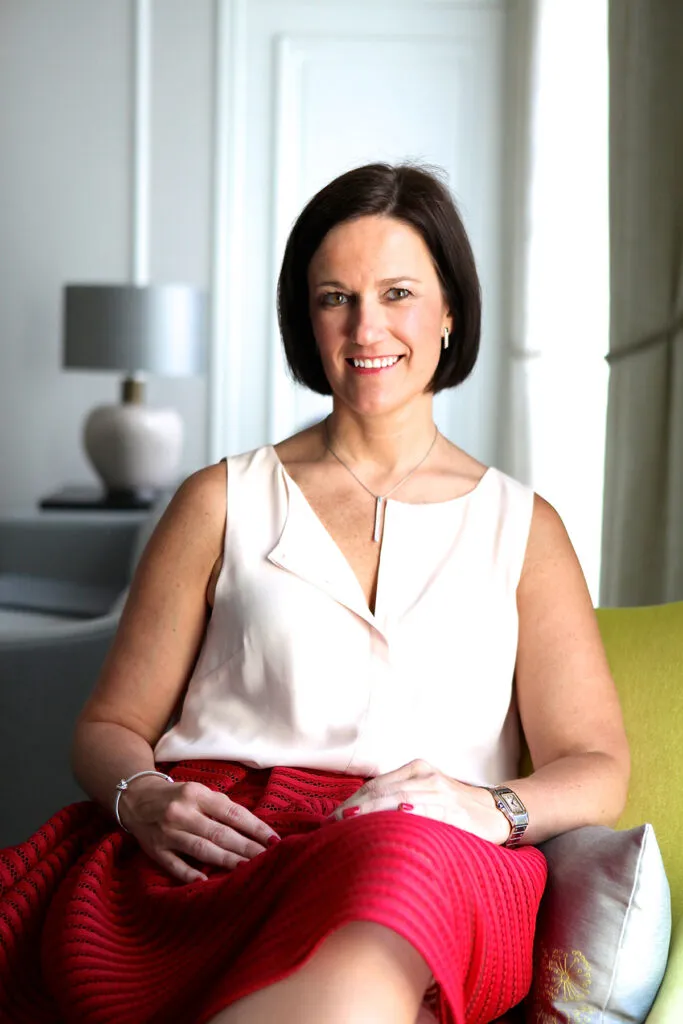
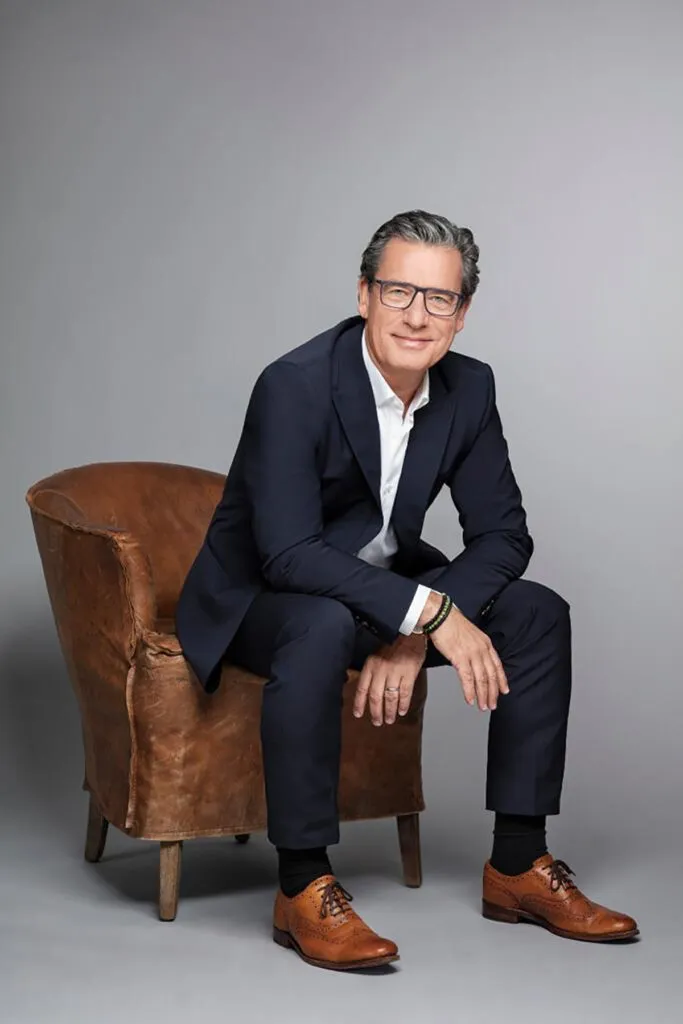
There is something fascinating about the success of Belgian hoteliers abroad. They set off quietly, with a combination of discipline, expertise and an open mind. They do not seek the limelight, yet they end up in it all the same, often at the helm of the world’s most iconic hotels. In recent years, HOTELVAK has spoken to six of these leading figures, Filip Boyen, Ignace Bauwens, Marc Dardenne, Sofia L. Vandaele, Thomas Dubaere and Tom J. Roelens, and the same conclusion has emerged each time: their stories are as human as they are visionary.
What follows is a journey through their ideas, doubts, successes and convictions. A journey that shows us where hospitality stands today and where it could go tomorrow.
Where luxury really begins
To grasp the very essence of hospitality, you need to look beyond gold taps and imposing lobbies. Those who focus on such things miss the point, as Filip Boyen realised long ago. The former CEO of Small Luxury Hotels and current global ambassador for Forbes Travel Guide has travelled the world, but one idea has remained constant: luxury is not about material things, but about how they make people feel. “Guests often have better bathrooms at home than in a five-star hotel,” he told us with a smile. “What they don’t have is the way you make them feel.”
And it is that story above all that stays with you: a blind guest who was welcomed with a letter in braille, without even having asked for one. Not because it was on a checklist, but because someone had paid attention. A quiet moment that nevertheless said a great deal.
The same sentiment is evident in Dubai. Amid fire-breathing fountains and restaurants that would make Michelin-starred chefs blush, Tom Roelens, for years the man behind Atlantis The Palm and Atlantis The Royal, and currently COO of Wynn Al Marjan Island, believes that this is precisely what matters.
“Our hotels can impress people,” he says, “but every interaction must above all be positive. That is the one thing people remember in the end.” At this level of hospitality, it is not the spectacle that makes an impression, but the humanity behind it.
Leaders who do not give orders, but trust
The same paradox emerges from every interview: the greater the responsibility, the gentler the leadership seems to become. It is striking, but no coincidence. Ignace Bauwens, a seasoned hotelier who knew Dubai before the city became what it is today and now heads Hand Picked Hotels, once described leadership as preparing a dish. “You don’t need to make the mayonnaise yourself,” he said, “but you do need to know how the flavours work together.”
That metaphor says a lot: trust, harmony and respect for expertise. Leadership that is not imposed from the top down, but takes shape when people are given room to act. The idea takes on a different dimension in New York, where Sofia L. Vandaele is general manager of InterContinental New York Barclay. The hotel is as “grand” as the city it calls home. “The triangle between guests, the team and stakeholders needs to be balanced,” she said. “New York is an intense city. You need to be both firm and open.” Her words reflect the reality of modern leadership: it is not about being in a position of dominance, but about maintaining a high-wire balance.
And then there is Marc Dardenne, who, among other things, ran The Ritz-Carlton in Dubai, helped launch the Armani hotel and built several brands from scratch. He brought it back to basics: “Integrity means doing what you say. You can’t copy a culture. You have to live it.” It is one of those statements that not only sounds true, but proves true as soon as you speak to the teams who worked under him.
Today’s guest: hybrid, curious, unpredictable
If the sector has learnt one thing in recent years, it is that traveller behaviour changes faster than it takes to build a hotel. Thomas Dubaere, CEO of Accor Americas, has seen this trend everywhere. “People travel less often, but stay longer. They combine work and leisure.”
“Bleisure” is no longer a trend, but the norm. A hotel room now needs to work just as well as an office, a sanctuary, a gym and a culinary destination. Sofia Vandaele has noticed that business travellers in New York are increasingly looking for little “experiential moments” without leaving the hotel. “Time is a luxury,” she said, and those words stay with you.
But it is Tom Roelens who describes the next stage in this evolution: the boom in ultra-luxury. His hotel Atlantis The Royal is not simply a building, but a destination in its own right. Architecturally unprecedented and gastronomically lavish, it still comes down to the human touch as the icing on the cake. “People want something that surprises them today,” he explains, “something they can’t find anywhere else.” That uniqueness is becoming the new norm.
Technology that frees us, without replacing us
Interestingly, none of these six hoteliers sees technology as a threat. Quite the opposite: they see it as an ally, provided it is used wisely. At a conference, Sofia Vandaele quoted a phrase that has since become a familiar one in the sector: “Automate the predictable, so you can humanize the exceptional.” It is a line that really hits home.
Thomas Dubaere put it even more forcefully: “No AI can replace human service.” That does not mean technology is being rejected: Accor is investing heavily in training programmes such as the School of Change, to help its employees navigate the digital transformation. Tom Roelens, meanwhile, uses technology to turn data into hyper-personalised service. Not cold automation, but warm precision. Guests are surprised by details that can only happen when data and empathy come together. Technology is not an end in itself, but a means to an end. A way to free up time. Time to make a genuine connection.
Sustainability: no longer a chapter, but the foundation
It is telling that sustainability is not a recurring theme by chance: it has become an almost universal principle. Marc Dardenne was clear: no investor discusses projects without a comprehensive ESG plan. Sofia Vandaele showed how green initiatives can find their way into even the smallest corners of a hotel, even in Manhattan, a city that never sleeps and is constantly consuming.
And then there is Tom Roelens, who links sustainability to his experience on islands, where ecosystems are fragile. “No greenwashing,” he said firmly. “We bottle our own water, eliminate waste and work only with suppliers we know.” It is striking how obvious it all sounds when they say it. As if sustainability were not the future, but simply… common sense.
The little Belgian, the big world and the inner compass
When we finally ask what they would like to pass on to young professionals, their advice is both simple and profound:
- Filip Boyen warns against arrogance: “Below the line is self-confidence; above it is arrogance.”
- Ignace Bauwens recalls above all that the moments when he doubted himself most were the ones that shaped him most.
- Marc Dardenne believes in lifelong learning and in building a network based on giving rather than taking.
- Sofia Vandaele stresses that you can only care for others if you also take care of yourself.
- Thomas Dubaere encourages curiosity and language skills, “because languages literally open doors”.
- Tom Roelens ends with a message that sums it all up: attitude. “It’s the one thing you can choose every morning.”
And perhaps that is precisely what unites them: not their nationality, success or international careers, but their humanity. In a sector sometimes overwhelmed by spreadsheets and tools, these six Belgians bring us back to what matters: hospitality is not a product, but an attitude. A way of looking at people. A choice. Day after day.
Thanks to them, we travel not only around the world, but also into the future of hospitality. A future that is not just about buildings, systems or labels, but rests on human warmth, wisdom, curiosity and the art of making people feel valued.
Question about this story? Ask your question
Keep following this
Get an email when a new story is published. No account needed.
- ThemeHotel cleaning and maintenance
- SubjectNews