



Guido Francque, sustainability coach: “Sustainability is about respect”
Texte Anastasia Verleysen Photos Guido Francque
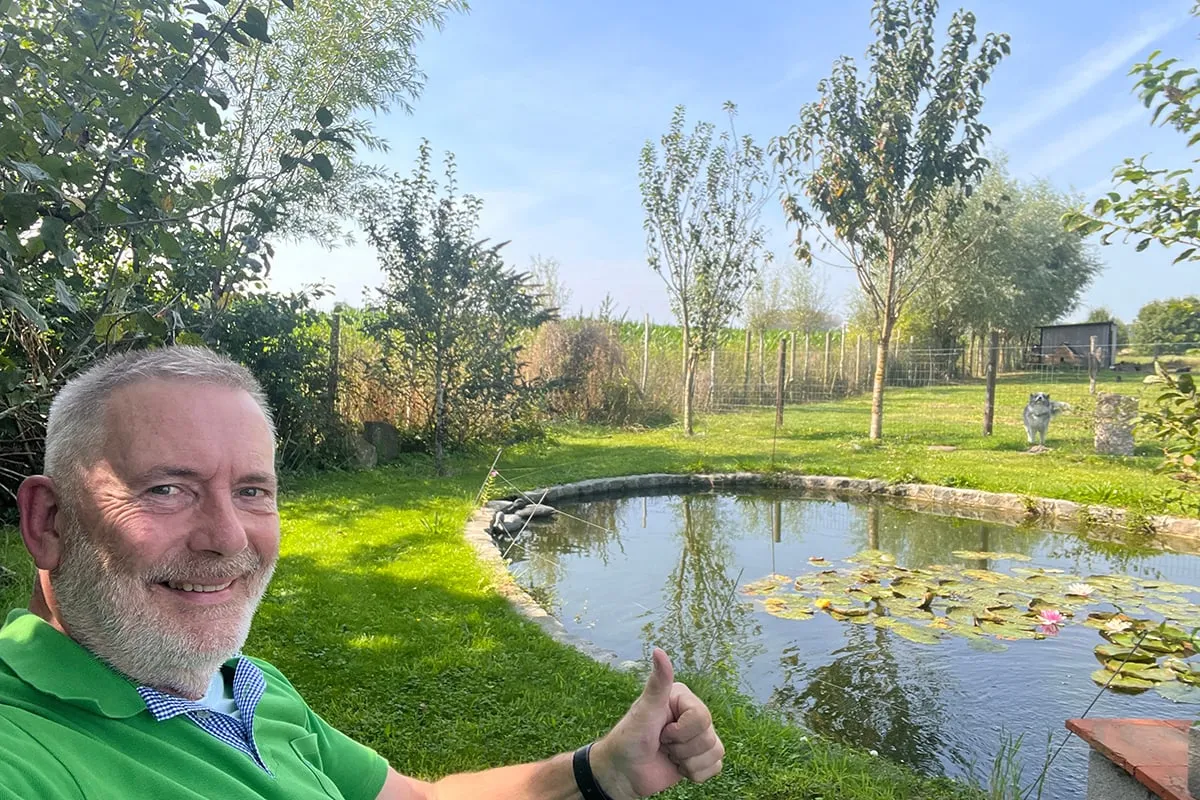
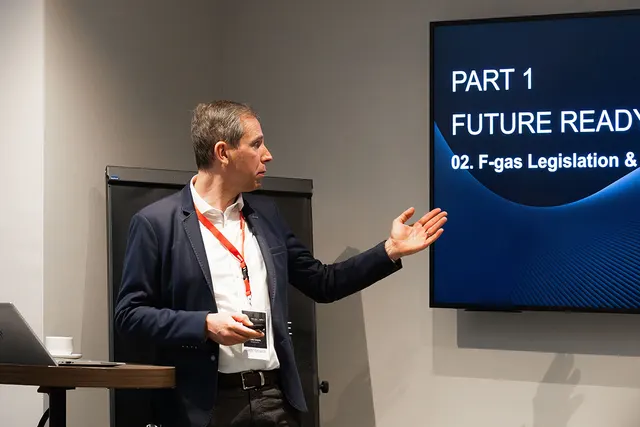
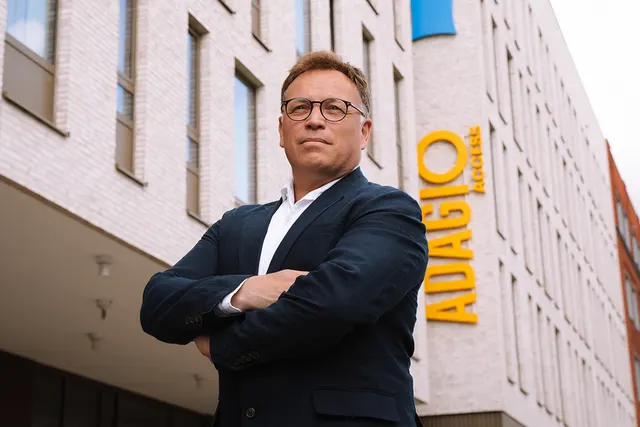
Guido Francque considers himself a hospitality dinosaur. He began his studies at hotel school in 1968 and has since worked across every facet of the hospitality industry, from a hospital kitchen to restaurant service. “At 69, I still feel cheerful, sharp and full of energy,” he says. “I owe that to my sustainable approach.” For several years, he has been sharing his experience with other industry entrepreneurs as a sustainability coach.
Name any aspect of the hospitality industry and Guido Francque is sure to have a fascinating story or a relevant lesson to share. He has worked in restaurants and banquet halls, written books about wine, and teaches and oversees a group that updates hotel-school textbooks every three years. He also co-founded Hertog Jan, the restaurant he handed over to Joachim Boudens and Gert De Mangeleer in 2005. It was there that he took his first steps towards sustainability, including growing his own fruit and vegetables. Hotel des Brasseurs in De Haan, where he worked with the owners to create Flanders’ first climate-neutral hotel, was the crowning achievement of his career.
“I’ve been focusing on sustainability for more than 20 years,” says Guido.
“It’s not some outlandish revelation. I am and remain an entrepreneur. At the end of the financial year, the figures have to be positive and add up. I take a resolutely practical approach. The way forward is the way of the future. Sustainability doesn’t mean that something is immediately expensive, but that it stands the test of time. It’s about respect. We’ve forgotten that these days.”
Three aspects of health
Other hospitality businesses soon began asking Guido whether he could help them adopt a more sustainable approach. So he developed a sustainability framework with three objectives: work more efficiently, have more free time and earn more money. “These are the foundations for the long-term viability of our industry,” says Guido. “The entrepreneur is at the heart of this framework. They need to feel good about themselves. That’s why it takes into account the three aspects of an entrepreneur’s health. The first is physical health: are you able to chop vegetables and move around the hotel all day? The second is mental health: are you earning enough to pay the bills and wages, or is that a source of worry? Finally, there’s emotional health, which is still too often overlooked. Go to that family gathering, spend time with your family and make sure you have a good work-life balance.”
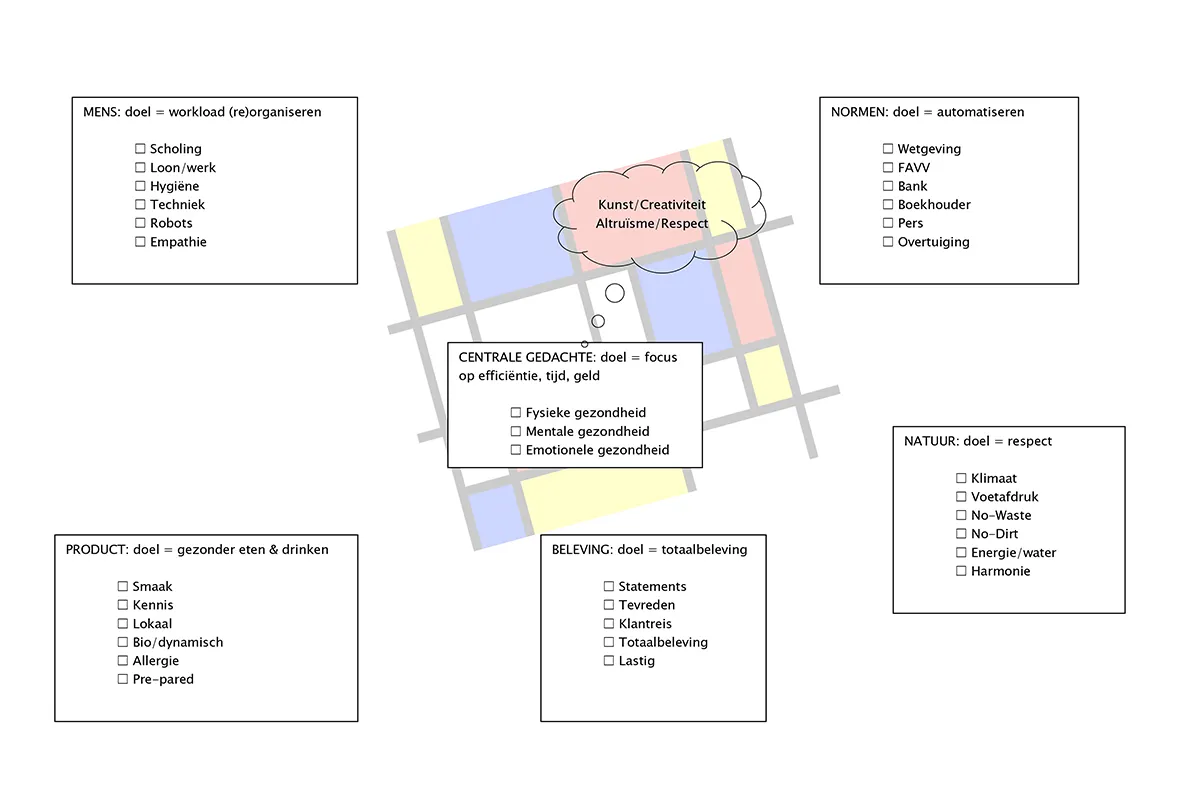
The framework focuses on efficiency, following the PAC principle: plan, act and check. “We don’t plan and we don’t check. Hospitality is all about action. It demands our full attention. Yet there are simple solutions to many things, particularly when it comes to technology. Sustainable work is also modern work. Just think of an automated check-in and check-out system. That way, you’ll make a good first and last impression. Both are very important, and they give you time to build a genuine connection with your guests. Embrace technology, embrace artificial intelligence and look to the future.”
Hospitality at the heart
Guido is currently talking to partners about presenting the framework in an interactive way. He also wants to involve schools, because the next generation of hospitality professionals must champion sustainability. “European research shows that seven in ten entrepreneurs are looking for sustainable principles. That doesn’t necessarily mean making major investments straight away. Often, the smallest adjustment delivers the best results. Sustainability and profitability go hand in hand,” says Guido. “With my framework, I can take you from a 1% profit margin to 10% in one financial year. The tools are there, so use them. Drive change, because the world around us is changing at lightning speed too. Let’s bring our sense of hospitality up to date, while protecting our wonderful food culture and cherishing people.”
Moving towards sustainability with these tips
- Look after your team and communicate.
- Look for local suppliers. This is good for CO2 emissions, but also helps you build relationships with farmers. For example, work with young farmers who use organic growing methods. That way, we can eat seasonally again.
- Want to save energy? Stop wasting it. Invest in modern, sustainable equipment, and use it efficiently.
- Separate clean, grey and black water. Grey water can be collected, purified and used for flushing toilets, for example.
- Use smart controls for lighting.
- Invite your guests to take part in your sustainability vision. One proposal from the hotel management programme at AP Hogeschool Antwerp was to invite guests to take the stairs in exchange for a drink.
- Install moss walls to purify the air.
- Sort your waste and reduce residual waste. The FASFC, for example, recommends having a cold room for waste.
Question about this story? Ask your question
Keep following this
Get an email when a new story is published. No account needed.
- ThemeHotel food and beverage
- SubjectIT & digitalisation